
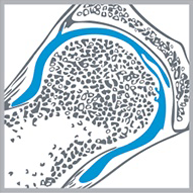
Direct Anterior Approach Total Hip Replacement Surgery
Innovative Surgical Technique for Hip Replacement
Direct anterior approach total hip replacement (THR) is a minimally invasive surgical technique that allows surgeons to access the hip joint from the front of the body. This approach offers numerous benefits for patients undergoing hip replacement, particularly in terms of recovery and mobility.
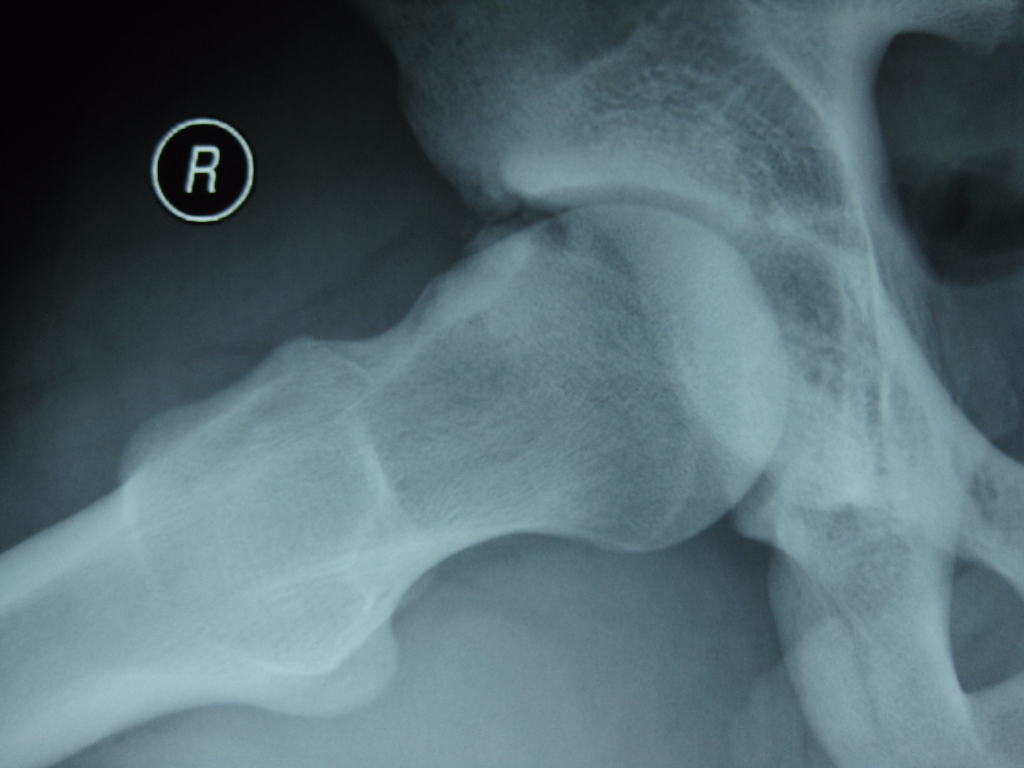
What is Direct Anterior Approach Total Hip Replacement?
The direct anterior approach involves accessing the hip joint through a small incision made at the front of the hip. Unlike traditional hip replacement methods, which may require cutting through muscles and tissues, this technique allows the surgeon to work between the muscles, preserving more of the surrounding structures. This leads to less trauma and quicker recovery times.
Benefits of the Direct Anterior Approach
- Minimally Invasive: The smaller incision leads to reduced muscle damage and a lower risk of complications.
- Faster Recovery: Patients often experience a quicker return to daily activities and reduced postoperative pain.
- Less Pain: Preservation of muscles and tissues typically results in less pain after surgery.
- Improved Mobility: Many patients report improved range of motion and quicker ambulation.
Indications for Direct Anterior Approach THR
This surgical approach is suitable for many patients who require hip replacement due to:
- Osteoarthritis
- Rheumatoid arthritis
- Hip fractures
- Avascular necrosis
However, not all patients may be candidates for this technique. The Melbourne Orthopaedic Clinic will assess each individual’s condition to determine the most appropriate surgical approach.
What to Expect During the Procedure
The procedure is performed under general or spinal anaesthesia and typically involves the following steps:
- Incision: A small incision is made at the front of the hip.
- Accessing the Hip Joint: The surgeon carefully navigates through the layers of muscle to reach the hip joint without cutting major muscles.
- Removal of Damaged Joint: The damaged femoral head and acetabulum are removed.
- Insertion of Prosthesis: The surgeon places the artificial components, including the femoral head and acetabular cup, into the hip joint.
- Closing the Incision: The incision is closed with sutures, and a sterile dressing is applied.

Recovery After Direct Anterior Approach THR
Post-operative recovery is crucial for optimal outcomes. Following the procedure, patients can expect:
- Shorter Hospital Stay: Many patients may be discharged within a day or two after surgery.
- Physical Therapy: Rehabilitation starts early, often the day after surgery, focusing on gentle range-of-motion exercises to promote healing.
- Weight Bearing: Patients are generally encouraged to bear weight on the operated leg shortly after surgery, as directed by the surgical team.
Long-term Outcomes
Patients typically experience significant pain relief and improved function following direct anterior approach THR. Adhering to the rehabilitation program is essential for achieving the best possible outcome. Regular follow-ups with the Melbourne Orthopaedic Clinic will ensure ongoing support and monitor recovery progress.
Risks and Complications
While the direct anterior approach is associated with several benefits, it is essential to be aware of potential risks, which may include:
- Infection at the surgical site
- Blood clots
- Dislocation of the artificial joint
- Nerve or blood vessel damage
- Prosthetic joint wear over time
The team at the Melbourne Orthopaedic Clinic is dedicated to minimise these risks through comprehensive preoperative assessments and meticulous surgical techniques.
Direct anterior approach total hip replacement surgery is a promising option for patients with debilitating hip conditions. With the expertise of our skilled surgical team and a focused rehabilitation program, patients can expect a significant improvement in their quality of life and a swift return to their regular activities.