
Cartilage Damage, Tears or Injuries
Damage to the Knee’s Smooth Cartilage Leading to Pain, Swelling, and Joint Dysfunction
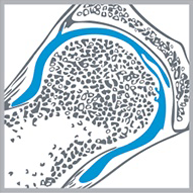
Cartilage is a crucial tissue in your body, serving as a cushion between the bones in your joints. In the knee, cartilage facilitates smooth movement with minimal friction, allowing you to perform daily activities without discomfort. The knee comprises two types of cartilage: articular cartilage, which covers the ends of your bones, and the meniscus, which acts as a shock absorber between the femur (thigh bone) and tibia (shin bone). Damage or tears to the cartilage in your knee can lead to pain, swelling, and restricted movement, significantly affecting your quality of life.
Common Causes Of Cartilage Damage
Cartilage damage can arise from various factors, including trauma and gradual wear and tear. Some common causes include:
- Wear and tear: Over time, the cartilage in your knee can degrade, particularly if you lead an active lifestyle or are older. This gradual degeneration can result in cartilage breakdown.
- Joint dislocation: A sudden injury that forces the knee joint out of alignment can cause significant cartilage damage.
- Meniscal tears: A sharp twist or heavy load on the knee can lead to tears in the meniscus, impacting both the shock-absorbing function and the overall health of the joint.
- Trauma or accidents: A fall, direct impact to the knee, or car accident can damage or tear the cartilage in your knee joint.
- Inflammation or arthritis: Conditions such as arthritis, particularly osteoarthritis and rheumatoid arthritis, can inflame the knee and damage the cartilage over time.
Types Of Cartilage Injuries
The type of cartilage injury in your knee depends on which cartilage is affected. The two primary types of cartilage in the knee are:
- Articular cartilage injury: This smooth tissue covers the ends of your bones, allowing them to glide seamlessly against one another during movement. Damage to this cartilage can lead to increased friction, resulting in pain, stiffness, and reduced mobility.
- Meniscal injury: The menisci are two C-shaped pieces of cartilage that sit between the bones of the knee. These structures absorb shock and help stabilise the joint. A torn meniscus can cause pain, swelling, and instability in your knee.
Symptoms Of Cartilage Damage In The Knee
Cartilage injuries, whether affecting the articular cartilage or the meniscus, often present similar symptoms. You may experience:
- Sharp pain at the time of injury or a dull ache in cases of degenerative damage.
- Swelling, particularly after physical activity or prolonged periods of standing.
- Catching or locking of the knee, potentially caused by loose fragments of cartilage obstructing normal joint movement.
- Decreased range of motion in your knee, making it challenging to fully straighten or bend the joint.
- Instability or the sensation that your knee may give way during movement, especially following a meniscal tear.
How Is Cartilage Damage Diagnosed?
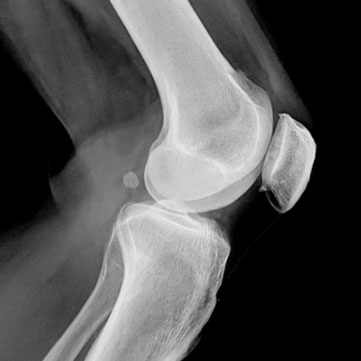
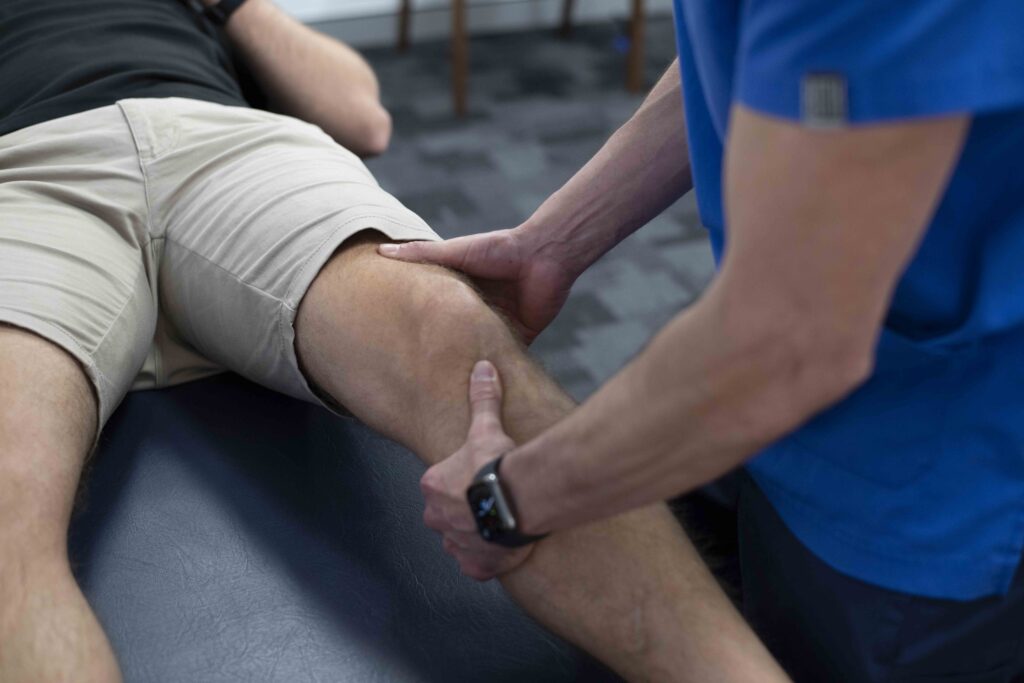
To accurately diagnose cartilage damage, a comprehensive approach is taken, beginning with a review of your medical history and a physical examination of your knee. During the examination, your knee’s range of motion, stability, and any signs of swelling or tenderness will be assessed. In some cases, X-rays or MRI scans may be recommended to confirm the diagnosis. X-rays help rule out bone damage, while MRI scans are useful for visualising the soft tissues of your knee, including cartilage and menisci.
Treatment Options For Cartilage Damage
The treatment for cartilage injuries depends on the severity of the damage, the type of cartilage affected, and your personal activity level and goals. Both non-surgical and surgical options are available.
Non-Surgical Treatments
Many patients respond well to non-surgical treatments, particularly if the cartilage damage is mild or moderate.
Some common options include:
- R.I.C.E Therapy: Rest, Ice, Compression, and Elevation are typically recommended to manage pain and reduce swelling.
- Non-Steroidal Anti-Inflammatory Drugs (NSAIDs): Medications like ibuprofen can help alleviate pain and inflammation.
- Bracing: A knee brace may be utilised to provide support and stabilisation, allowing the cartilage to heal naturally.
- Physiotherapy: A tailored physiotherapy programme can help strengthen the muscles around your knee, improve flexibility, and restore joint function.
- Non-weight-bearing activities: Temporarily avoiding putting pressure on the affected knee can facilitate healing of damaged cartilage.
Surgical Treatments
In more severe cases, or when non-surgical options do not provide relief, surgery may be necessary to restore knee function. Some common surgical treatments include:
- Debridement: In this procedure, damaged cartilage is shaved or smoothed using arthroscopy, creating a smoother surface for the knee joint to move.
- Microfracture: This technique involves creating small holes in the bone to stimulate the formation of new cartilage. It’s particularly beneficial for small areas of damaged cartilage.
- Cartilage transplantation: For larger or more complex injuries, cartilage transplantation may be recommended. This involves using healthy cartilage from elsewhere in your body or a donor to replace the damaged tissue.
Recovering from cartilage damage depends on the severity of the injury and the type of treatment you receive. If you opt for non-surgical treatment, rehabilitation may take several weeks, with gradual improvements in strength and mobility. If you undergo surgery, your recovery period will be longer and will involve a structured rehabilitation programme with physiotherapy to help restore knee function.
At Melbourne Orthopaedic Clinic, a personalised recovery plan will be created, focusing on regaining knee strength, mobility, and stability. Whether your treatment involves surgery or not, a carefully managed rehabilitation plan is key to achieving the best long-term outcome.