Patellar Instability or Dislocation
Recurring Kneecap Dislocations Leading to Knee Instability and Pain
Patellar instability or dislocation occurs when the kneecap (patella) shifts out of its normal position, often moving toward the outside of the knee. This condition can result in significant pain, instability, and difficulty with movement. Normally, the patella sits within the trochlear groove at the front of the knee, moving smoothly as you bend or straighten your leg. When it dislocates, the patella exits this groove, leaving the knee unstable and prone to further dislocations if not properly treated.
At Melbourne orthopaedic clinic, we specialise in diagnosing and treating patellar instability and dislocations to help restore stability and prevent recurring issues. Our personalised treatment plans are designed to improve knee function and reduce the risk of future dislocations.
Causes of Patellar Instability or Dislocation
Several factors can contribute to patellar instability or dislocation, including:
- Trauma or Injury: A direct impact or twisting of the knee during physical activity can cause dislocation.
- Weak Muscles or Ligaments: Weak quadriceps muscles or loose ligaments can make the knee more prone to dislocation.
- Structural Abnormalities: Some individuals are born with an anatomically shallow patellar groove, increasing the risk of dislocations.
- Previous Dislocations: A history of kneecap dislocation makes further incidents more likely.
Symptoms of Patellar Instability or Dislocation
The key symptoms to watch for include:
- Knee Pain: Pain in the front of the knee, especially during movement or weight-bearing.
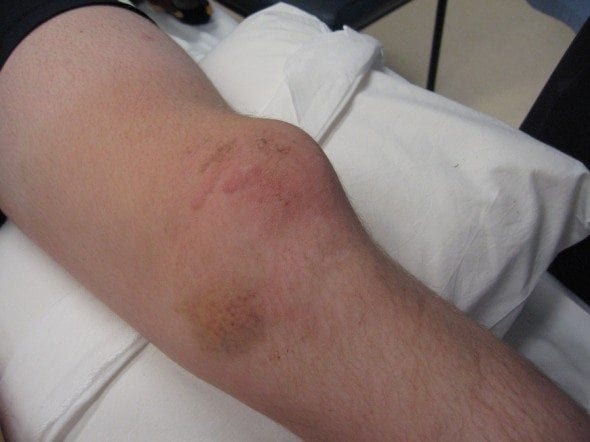
- Swelling: Swelling in the knee joint after a dislocation or subluxation.
- Instability: A sensation of the knee giving way or not being able to support body weight.
- Visible Dislocation: In some cases, the kneecap may visibly shift out of its normal position.
Diagnosing Patellar Instability or Dislocation
A thorough diagnosis is essential for creating a treatment plan. Your orthopaedic specialist may:
- Review Medical History: A look at your medical history and previous knee injuries.
- Conduct a Physical Exam: A manual examination of the knee to assess stability and alignment.
- Order Imaging Tests:
- X-rays to assess bone alignment and any damage caused by dislocations.
- MRI scans to check for soft tissue damage like torn ligaments or cartilage.
Treatment Options for Patellar Instability or Dislocation
Treatment options will depend on the severity of your condition and may include both non-surgical and surgical approaches.
Non-Surgical Treatments
- Physiotherapy: A customised exercise program can help strengthen the muscles surrounding the knee, improving stability.
- Bracing: Special knee braces can help hold the kneecap in place and prevent further dislocations.
- Medications: Non-steroidal anti-inflammatory drugs (NSAIDs) can reduce pain and inflammation.
- Manual Reduction: For acute dislocations, a healthcare provider may need to manually reposition the kneecap.
Surgical Treatments
If conservative treatments aren’t effective, surgery may be needed:
- Lateral Release: This surgery involves loosening the outer ligaments of the knee to allow the patella to move more freely within its groove.
- Medial Patellofemoral Ligament (MPFL) Reconstruction: This procedure reconstructs the damaged ligament that holds the patella in place.
- Osteotomy: For severe cases, the bones may be realigned to correct patellar tracking and prevent future dislocations.
Preventing Patellar Instability or Dislocation
Preventative steps include:
- Strengthening Exercises: Strengthening the muscles around the knee can improve joint stability and prevent future dislocations.
- Avoiding High-Risk Activities: Steering clear of activities that put excessive strain on the knee joint, like sudden twisting motions, can reduce the risk of injury.
- Wearing Supportive Gear: Using knee braces or proper footwear can help maintain alignment and reduce strain on the knees.