

Knee Realignment Osteotomy
Restoring Knee Function and Alleviating Pain through Surgical Realignment
Knee realignment osteotomy is a surgical procedure that aims to correct the alignment of the knee joint, often performed in patients with knee arthritis, particularly in those who have a misalignment caused by conditions like varus (bow-legged) or valgus (knock-knee) deformities. This procedure helps to redistribute the load on the knee joint, relieving pain and improving function.
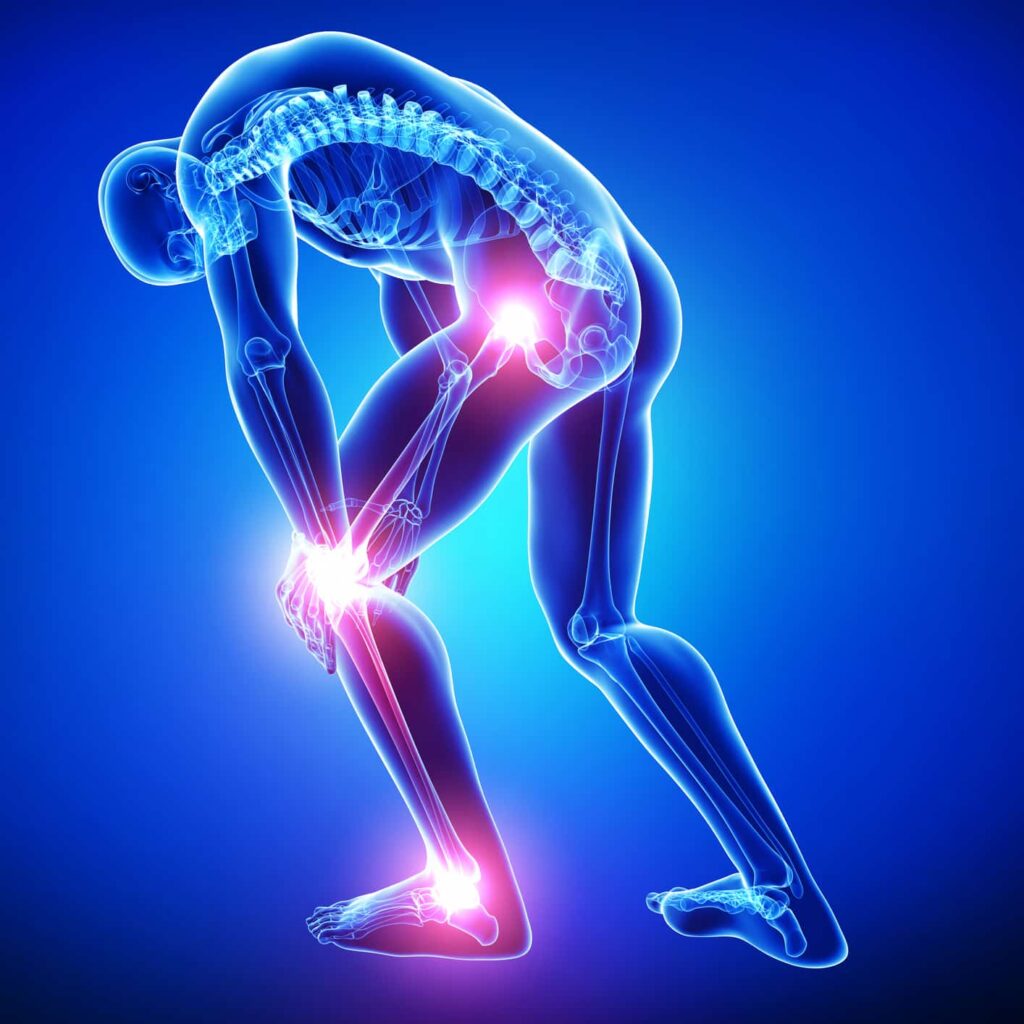
What is Knee Realignment Osteotomy?
Knee realignment osteotomy involves the cutting and realigning of the bone to change the angle of the knee joint. This can help to shift the weight-bearing load away from the damaged part of the joint, usually the medial (inner) or lateral (outer) compartment, to the healthier area. The procedure is commonly used for patients with early-stage knee arthritis or those too young for knee replacement surgery.
Indications for Knee Realignment Osteotomy
Knee realignment osteotomy may be recommended when:
- There is knee arthritis limited to one side of the joint (medial or lateral compartment).
- The patient has a misalignment of the knee (such as bow-legged or knock-knee deformities).
- The patient is not yet a candidate for total knee replacement due to age, activity level, or joint condition.
- The goal is to delay or avoid a knee replacement by redistributing the pressure on the joint.
The Knee Realignment Osteotomy Procedure
The procedure typically follows these steps:
- Anaesthesia: The surgery is performed under general anaesthesia or regional anaesthesia (spinal or epidural).
- Incision: A small incision is made near the knee to access the bone.
- Bone Cutting: The surgeon makes a precise cut in the femur (thigh bone) or tibia (shin bone), depending on the location of the deformity.
- Realignment: The bone is repositioned to change the angle of the knee joint, shifting the weight away from the damaged part.
- Stabilisation: The realigned bone is stabilised with metal plates, screws, or rods to hold the bone in place while it heals.
- Closure: The incision is closed with sutures or staples, and a sterile dressing is applied.
Recovery After Knee Realignment Osteotomy
Post-operative care is critical for the recovery process. Patients can expect:
- Hospital Stay: Most patients can go home on the same day or after a short stay in the hospital.
- Weight Bearing: Patients are usually advised to limit weight-bearing on the operated leg for a few weeks, with partial weight-bearing using crutches or a walker. Full weight-bearing is gradually allowed depending on the healing process and surgeon’s recommendation.
- Rehabilitation: Physical therapy begins soon after surgery and focuses on restoring strength, flexibility, and mobility. A tailored rehabilitation plan helps to regain knee function and prevent complications.
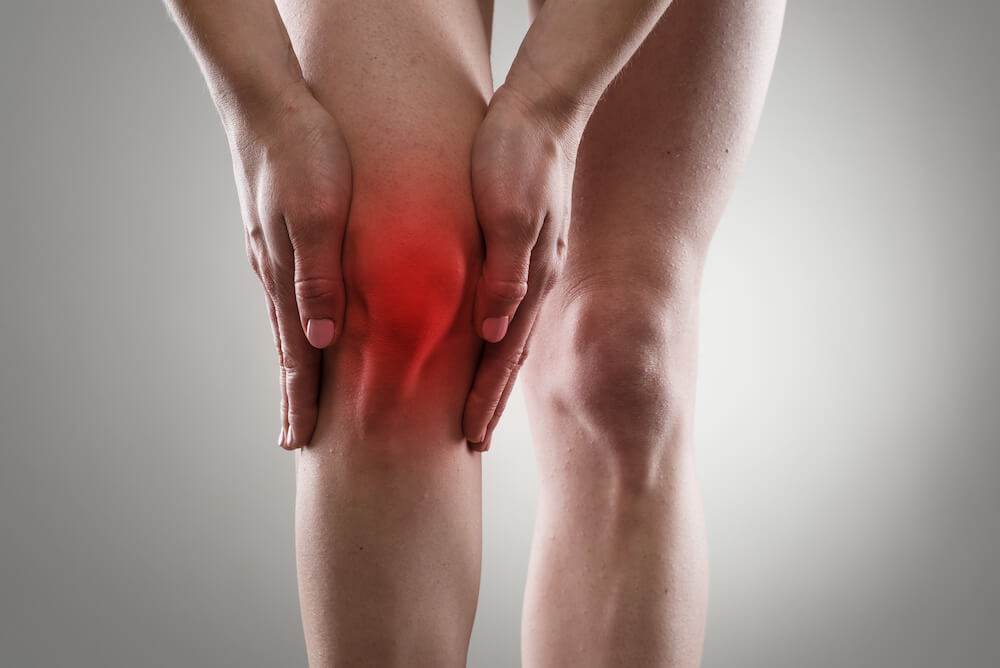
Long-term Outcomes
Most patients experience significant improvements in pain, function, and alignment following knee realignment osteotomy. The procedure can delay the need for a knee replacement and allow patients to return to activities such as walking, light exercise, and sports. Full recovery may take several months, depending on the individual and adherence to rehabilitation.
Risks and Complications
As with any surgical procedure, knee realignment osteotomy carries certain risks, including:
- Infection at the surgical site
- Blood clots (deep vein thrombosis)
- Nerve or blood vessel damage
- Non-union or malunion of the bone
- Continued pain or stiffness
- Knee instability or altered gait
The team at Melbourne Orthopaedic Clinic will thoroughly discuss these risks and take steps to minimise them.
Knee realignment osteotomy is a highly effective procedure for restoring knee function and alleviating pain in patients with knee arthritis or deformities. With the right care and rehabilitation, patients can expect a positive outcome and significant improvement in their quality of life.