
Acetabular Fracture Surgery
Advanced Treatment for Acetabular Fractures
Acetabular fractures involve a break in the socket of the hip joint, which can severely impact mobility and function. These injuries often result from high-energy trauma, such as motor vehicle accidents or falls from significant heights. At Melbourne Orthopaedic Clinic, we specialise in the diagnosis and surgical management of acetabular fractures, utilising advanced techniques to restore joint stability and mobility.
Understanding Acetabular Fractures
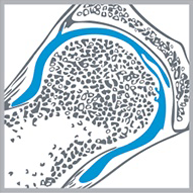
The acetabulum is the cup-shaped socket in the pelvis that forms the hip joint. When a fracture occurs, it can disrupt the normal alignment and function of the hip joint. Acetabular fractures are classified based on their pattern and the degree of displacement, with common types including:
- Posterior Wall Fractures: Involving the back portion of the acetabulum.
- Anterior Wall Fractures: Affecting the front of the acetabulum.
- Transverse Fractures: Running horizontally across the acetabulum.
- Acetabular Fracture with Dislocation: Involving the separation of the femoral head from the socket.
Symptoms of Acetabular Fractures
Patients with acetabular fractures may experience:
- Severe Hip Pain: Pain that worsens with movement or weight-bearing.
- Swelling and Bruising: Swelling and bruising around the hip region.
- Limited Range of Motion: Difficulty in moving the hip or bearing weight on the affected leg.
- Deformity: Visible changes in hip alignment, possibly indicating dislocation.
Diagnosis of Acetabular Fractures
A comprehensive diagnostic approach is crucial for accurate assessment:
- Physical Examination: Evaluating hip stability, pain response, and functional mobility.
- Imaging: X-rays provide initial views, while CT scans offer detailed images of fracture patterns, allowing for precise treatment planning.
Treatment Options for Acetabular Fractures
The treatment plan for acetabular fractures depends on the fracture type, displacement, and the patient’s overall health. Options include both non-surgical and surgical interventions.
Non-Surgical Treatments:
- Conservative Management: For non-displaced fractures, treatment may involve rest, immobilisation, and pain management.
- Physical Therapy: After initial healing, rehabilitation exercises can help restore mobility and strength.
Surgical Treatments:
- Open Reduction and Internal Fixation (ORIF): The standard surgical approach for displaced acetabular fractures, involving realignment of the fractured fragments and fixation with plates and screws.
- External Fixation: In specific cases where internal fixation is not feasible, external devices may stabilise the fracture during the healing process.
- Hip Replacement: In severe cases with extensive joint damage, partial or total hip replacement may be necessary to restore function.
Postoperative Care and Rehabilitation
Post-surgery, effective care and rehabilitation are critical for recovery:
- Monitoring: Regular follow-ups to assess healing and detect any complications.
- Pain Management: Addressing pain through medications and rehabilitation exercises.
- Rehabilitation Program: A structured physiotherapy plan focusing on restoring hip strength, range of motion, and overall function.
Acetabular fracture surgery is vital for restoring function and alleviating pain following a traumatic injury. At Melbourne Orthopaedic Clinic, we are committed to providing high-quality, patient-centred care tailored to individual needs. Our experienced team employs the latest surgical techniques and rehabilitation practices to ensure optimal recovery. With our expertise, we aim to support patients in returning to their active lifestyles with improved mobility and confidence after acetabular fractures.