
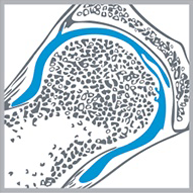
Shoulder Dislocation and Rotator Cuff Repair
Expert Management of Shoulder Dislocations and Rotator Cuff Injuries
Shoulder dislocations are common injuries, often resulting from trauma or overuse, leading to the head of the humerus displacing from the shoulder socket. Accompanying this injury, rotator cuff tears can occur, affecting the shoulder’s stability and function. At Melbourne Orthopaedic Clinic, we specialise in diagnosing and treating shoulder dislocations and associated rotator cuff injuries, ensuring optimal recovery for our patients.
Understanding Shoulder Dislocation
Shoulder dislocations are classified into two main types:
- Anterior Dislocation: The humeral head moves forward, often due to falls or sports injuries.
- Posterior Dislocation: Less common, this occurs when the humeral head is displaced backward, often following seizures or electrical injuries.
Symptoms of Shoulder Dislocation
Patients may experience:
- Severe Pain: Immediate and intense pain in the shoulder area.
- Visible Deformity: The shoulder may appear flattened or protruding, with swelling and bruising.
- Limited Range of Motion: Difficulty moving the arm, particularly in overhead activities.
- Numbness or Weakness: Sensory changes can occur if nerves are compressed during dislocation.
Diagnosis of Shoulder Dislocation
An accurate diagnosis is essential for effective treatment. At Melbourne Orthopaedic Clinic, our diagnostic approach includes:
- Physical Examination: Assessing the shoulder’s position, stability, and range of motion.
- Imaging Studies: X-rays are used to confirm dislocation and evaluate for associated fractures, while MRI may be conducted to assess soft tissue injuries, including the rotator cuff.
Surgical Treatment Options
For shoulder dislocations accompanied by rotator cuff injuries, surgical intervention may be necessary:
- Closed Reduction
- Procedure: The first step is often a closed reduction, where the dislocated shoulder is manually realigned under sedation or anaesthesia.
- Rotator Cuff Repair
- Indications: If a rotator cuff tear is present, surgical repair may be required to restore shoulder function.
- Procedure: The repair involves reattaching the torn tendons to the humeral head using sutures or anchors.
- Bankart Repair
- Procedure: If the dislocation has caused damage to the labrum (the cartilage rim of the shoulder socket), a Bankart repair may be performed to stabilise the joint.
- Stabilisation Techniques
- Procedure: In cases of recurrent dislocations, procedures to tighten the joint capsule or reinforce stability may be necessary.
Post-Operative Care and Rehabilitation
Following surgery for shoulder dislocation and rotator cuff repair, a tailored rehabilitation program is crucial for recovery:
- Physical Therapy: A comprehensive rehabilitation program will be initiated, focusing on restoring range of motion, strength, and stability.
- Pain Management: Medications and modalities will be utilised to manage pain and swelling post-surgery.
- Gradual Return to Activities: A structured plan will help patients return to daily activities and sports safely and effectively.
Shoulder dislocation and rotator cuff injuries require a multifaceted approach for effective management. At Melbourne Orthopaedic Clinic, our dedicated team of experts is committed to providing personalised care tailored to each patient’s needs. With advanced surgical techniques and comprehensive rehabilitation programs, we strive to help patients regain optimal shoulder function, improve their quality of life, and return to their active lifestyles.