
Hip Pain
Persistent aching, stiffness, or sharp discomfort in the hip that affects movement and daily activities
Hip pain is a common musculoskeletal complaint that can significantly affect your mobility, comfort, and overall quality of life. At Melbourne Orthopaedic Clinic, our experienced orthopaedic specialists, Prof. Justin Hunt and Prof. Vera Sallen, are committed to providing evidence-based diagnosis, treatment, and management options tailored to your specific needs.
If you’re experiencing hip pain, it’s important to understand its potential causes, symptoms, and treatment pathways. Our goal is to empower you with the knowledge to make informed decisions about your care.

Common Causes Of Hip Pain
Hip pain can arise from a variety of conditions. Understanding the cause of your pain is the first step towards effective treatment. Here are some of the most common causes of hip pain that we assess and treat at Melbourne Orthopaedic Clinic:
- Osteoarthritis (Hip Arthritis)
- Cause: Degenerative joint disease-causing cartilage breakdown.
- Symptoms: Pain, stiffness, and reduced range of motion, often worsening with activity.
- Treatment: May include lifestyle changes, medications, physiotherapy, or surgical intervention such as hip replacement.
- Hip Labral Tears
- Cause: Injury or degeneration of the soft tissue (labrum) that lines the hip socket.
- Symptoms: Sharp, catching pain in the hip, clicking or locking sensations.
- Treatment: May involve physiotherapy, injections, or arthroscopic surgery to repair the tear.
- Bursitis (Trochanteric Bursitis)
- Cause: Inflammation of fluid-filled sacs (bursae) that cushion the hip joint.
- Symptoms: Pain on the outer part of the hip, particularly when lying on that side.
- Treatment: Rest, anti-inflammatory medication, physiotherapy, and, in some cases, corticosteroid injections.
- Hip Impingement (Femoroacetabular Impingement or FAI)
- Cause: Abnormal bone growth in the hip joint, leading to impingement of the bones.
- Symptoms: Stiffness, deep hip pain, and pain during certain movements, like bending or squatting.
- Treatment: Lifestyle changes, physiotherapy, and in some cases, surgery to reshape the bones.
- Tendonitis and Muscle Strains
- Cause: Overuse injuries to muscles or tendons around the hip.
- Symptoms: Pain, weakness, and tenderness in the affected area.
- Treatment: Physiotherapy, rest, stretching, and strengthening exercises.
- Hip Fractures
- Cause: Breaks in the bone, often due to falls or trauma, particularly in older adults.
- Symptoms: Severe pain, inability to move or bear weight on the hip.
- Treatment: Surgical intervention is often required, followed by rehabilitation.
Symptoms Of Hip Pain
Hip pain can present in various ways, depending on the underlying condition. Symptoms may include:
- Sharp, stabbing, or dull pain in the groin, outer hip, buttocks, or thigh.
- Stiffness or reduced range of motion in the hip.
- Clicking, popping, or locking of the hip joint.
- Pain when walking, bending, or sitting for extended periods.
- Swelling, tenderness, or warmth around the joint (in the case of inflammation).
If you are experiencing any of these symptoms, it may be time to seek an expert assessment from Prof. Justin Hunt or Prof. Vera Sallen.
When Should You Seek Medical Attention
While some hip pain can resolve with rest and self-care, persistent or severe pain may require medical attention. You should consider an appointment at Melbourne Orthopaedic Clinic if:
- Hip pain has persisted for more than a few weeks.
- Pain is affecting your daily activities, work, or sleep.
- The hip joint feels unstable, weak, or “gives way.”
- You’ve experienced a fall or trauma resulting in significant hip pain.
- You experience fever, redness, or warmth in the hip area, as this could signal infection or inflammation.
Early diagnosis and treatment can improve outcomes and help you maintain an active lifestyle.
Diagnosis Of Hip Pain
When you visit the Melbourne Orthopaedic Clinic, Prof. Justin Hunt or Prof. Vera Sallen will begin with a comprehensive assessment to understand your condition. The diagnostic process may include:
- Medical History: A review of your symptoms, activity levels, and history of injuries or conditions.
- Physical Examination: Assessment of joint movement, stability, and areas of tenderness.
- Imaging Tests: X-rays, MRIs, and CT scans may be used to visualize bone, cartilage, and soft tissues.
- Diagnostic Injections: In some cases, injections may help pinpoint the source of your pain.
Accurate diagnosis is crucial to selecting the most appropriate treatment option for you.
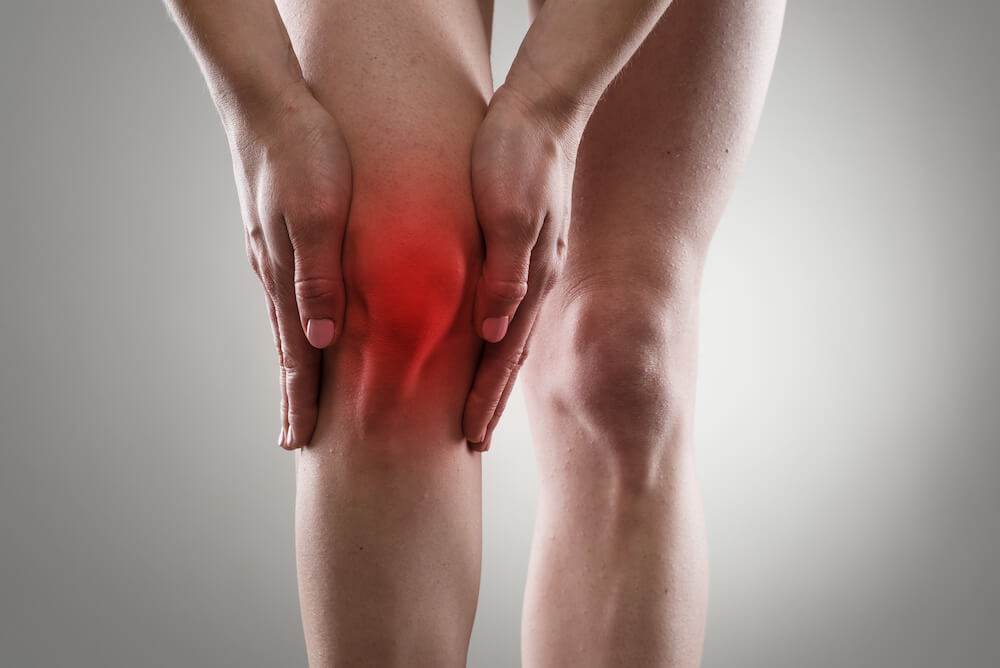
Treatment Options For Hip Pain
At Melbourne Orthopaedic Clinic, we offer a wide range of evidence-based treatments for hip pain, tailored to your specific diagnosis and lifestyle. These may include:
Non-Surgical Treatments
- Medications: Pain relievers and anti-inflammatory medications to reduce symptoms.
- Physiotherapy: Targeted exercises to strengthen muscles and improve joint mobility.
- Injections: Corticosteroid injections may reduce inflammation and relieve pain.
- Lifestyle Adjustments: Weight management, activity modification, and ergonomic adjustments can reduce hip strain.
Surgical Treatments
If non-surgical options do not provide relief, surgery may be considered. Procedures offered by Prof. Justin Hunt and Prof. Vera Sallen include:
- Hip Arthroscopy: A minimally invasive procedure to treat labral tears, impingement, and other hip conditions.
- Total Hip Replacement: Replacing a damaged joint with a prosthetic joint to restore function and reduce pain.
- Hip Fracture Surgery: Repairing or replacing fractured bones in the hip.
Justin or Vera will discuss the risks, benefits, and expected outcomes of each treatment option with you.