Femoroacetabular Impingement (FAI)
Abnormal contact between the femur and acetabulum causing pain and reduced hip function
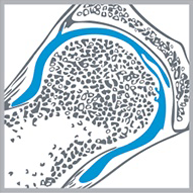
Femoroacetabular impingement (FAI) is a condition characterised by abnormal contact between the femoral head and the acetabulum, leading to pain and restricted range of motion in the hip joint. This condition can affect individuals of all ages, especially athletes and active individuals, and may significantly impact their ability to perform daily activities or engage in sports. Melbourne Orthopaedic Clinic is dedicated to diagnosing and managing FAI to alleviate pain and restore hip function.
On this page, you’ll learn about:
Causes Of Femoroacetabular Impingement (FAI)
FAI can arise from various anatomical abnormalities or conditions that affect the hip joint. The primary causes include:
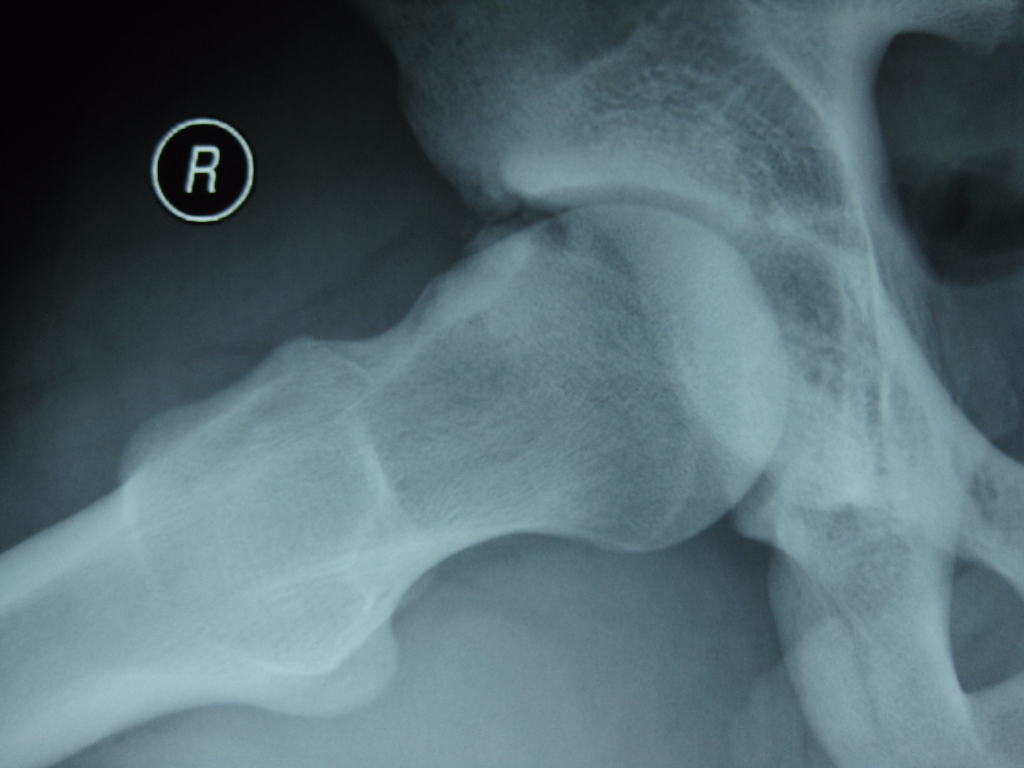
- Cam Impingement: This occurs when the femoral head is not perfectly round and has an irregular shape, leading to abnormal contact with the acetabulum during hip movements. This deformity often develops during childhood or adolescence.
- Pincer Impingement: This type occurs when the acetabulum (the socket of the hip joint) has excessive coverage of the femoral head, causing the two bones to collide during hip flexion. This can result from structural abnormalities in the pelvis.
- Combined Impingement: Many individuals may experience a combination of cam and pincer impingement, leading to compounded symptoms and complications.
- Previous Hip Injuries: Past injuries to the hip, such as fractures or dislocations, may alter the anatomy of the joint and contribute to FAI.
- Genetic Factors: Certain anatomical variations that predispose individuals to FAI may be inherited, making some people more susceptible than others.
Symptoms Of Femoroacetabular Impingement (FAI)
The symptoms of FAI can vary widely, but common signs include:
- Hip Pain: Pain is typically felt in the groin area and may radiate to the outer thigh or buttocks. The pain often worsens with activities that require hip movement, such as walking, running, or sitting for extended periods.
- Reduced Range of Motion: Individuals with FAI may experience difficulty in hip movements, especially internal rotation and flexion, which can limit activities such as squatting or bending.
- Catching or Locking Sensation: Some individuals may feel a catching or locking sensation in the hip joint during movement, indicating that the femoral head is improperly positioned within the socket.
- Stiffness: Stiffness in the hip joint may occur, particularly after periods of inactivity or prolonged sitting.
- Groin Discomfort: Many people experience discomfort in the groin, especially during physical activities or prolonged periods of sitting.
Diagnosis Of Femoroacetabular Impingement (FAI)
At Melbourne Orthopaedic Clinic, a comprehensive evaluation is performed to diagnose FAI, which typically involves:
- Physical Examination: Your physician will conduct a thorough examination of the hip, assessing range of motion, strength, and areas of tenderness. Specific manoeuvres may be used to provoke symptoms associated with impingement.
- Imaging Tests: Advanced imaging techniques, such as X-rays and MRI, may be employed to visualise the hip joint’s structure and identify any anatomical abnormalities or signs of cartilage damage.
Femoroacetabular impingement (FAI) treatment options
Treatment for FAI aims to alleviate pain, improve hip function, and prevent further joint damage. At Melbourne Orthopaedic Clinic, we offer a range of treatment options tailored to each individual’s needs.
NON-SURGICAL TREATMENTS
Many cases of FAI can be effectively managed with non-surgical approaches, including:
- Physiotherapy A physiotherapist will develop a customised rehabilitation program to strengthen the hip muscles, improve flexibility, and enhance stability, which can help alleviate symptoms and improve function.
- Medications: Non-steroidal anti-inflammatory drugs (NSAIDs) can be prescribed to reduce pain and inflammation associated with FAI.
- Activity Modification: Avoiding activities that exacerbate symptoms, such as deep squatting or high-impact sports, can reduce stress on the hip joint and promote healing.
- Corticosteroid Injections: In some cases, corticosteroid injections may be administered to relieve pain and inflammation within the hip joint, providing temporary relief for severe symptoms.
SURGICAL TREATMENTS
If conservative treatments are ineffective or symptoms significantly impair quality of life, surgical intervention may be necessary. Surgical options can include:
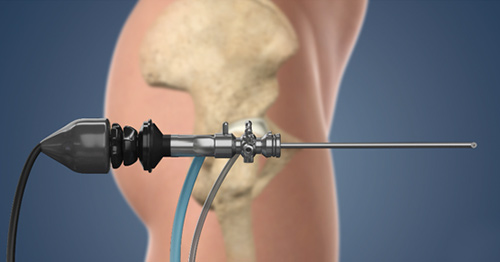
- Hip Arthroscopy: This minimally invasive procedure allows surgeons to access the hip joint to remove bone spurs, repair damaged cartilage, and address any structural abnormalities contributing to FAI.
- Osteoplasty: In cases of cam impingement, osteoplasty may be performed to reshape the femoral head, restoring a more normal contour and reducing impingement.
- Acetabular Rim Trimming: For pincer impingement, the acetabular rim can be trimmed to reduce excessive coverage of the femoral head, alleviating impingement symptoms.
We understand the challenges associated with femoroacetabular impingement and are committed to providing comprehensive care tailored to your specific needs. Our team will work with you to develop a personalised treatment plan aimed at reducing pain, improving hip function, and supporting your return to an active lifestyle. Whether through physiotherapy, lifestyle adjustments, or surgical interventions, our goal is to help you regain mobility and enhance your quality of life.