
Artificial Disc Replacement
Advanced Surgical Solution for Spinal Disc Disorders
Artificial disc replacement is a surgical procedure that aims to relieve chronic back pain and improve mobility in patients with degenerative disc disease or other disc-related conditions. Unlike spinal fusion, which eliminates movement at the affected level, this procedure involves replacing the damaged disc with an artificial implant designed to maintain more natural motion of the spine.
By preserving flexibility and reducing stress on adjacent spinal segments, artificial disc replacement may help some patients return to daily activities with improved comfort and function. At Melbourne Orthopaedic Clinic, we use advanced surgical techniques and carefully selected implants to provide treatment options tailored to your individual needs.
What is Artificial Disc Replacement?
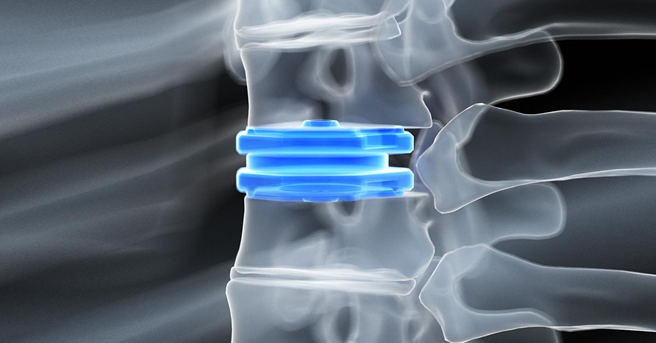
Artificial disc replacement is a surgical procedure that involves removing a damaged or degenerated spinal disc and replacing it with a specially designed artificial implant. The artificial disc is made to mimic the function of a natural disc, providing cushioning between the vertebrae and allowing controlled movement of the spine.
The goal of this surgery is to reduce pain caused by the worn or injured disc while preserving flexibility and mobility at the affected spinal level. By maintaining motion, artificial disc replacement may also help reduce the risk of additional wear and tear on the surrounding discs and joints, which can sometimes occur after spinal fusion surgery.
This procedure is most commonly performed in the cervical (neck) or lumbar (lower back) regions, where degenerative disc disease or injury often leads to persistent pain, stiffness, or nerve-related symptoms.
Indications for Disc Replacement Treatment
Artificial disc replacement may be recommended for patients experiencing chronic back or neck pain caused by a damaged spinal disc that has not improved with conservative treatments such as physiotherapy, medications, or injections. The procedure is most commonly used to treat degenerative disc disease in the cervical (neck) or lumbar (lower back) spine.
You may be considered a candidate for disc replacement if you have:
- Persistent pain in the neck or lower back that limits daily activities and has not responded to non-surgical care.
- Disc degeneration confirmed on imaging, such as X-rays, CT scans, or MRI.
- Symptoms linked to the affected disc, including pain, stiffness, or nerve irritation (such as numbness, tingling, or weakness).
- Good overall spinal stability, with no significant deformity, osteoporosis, or severe arthritis in the surrounding joints.
- Reasonable general health, making you suitable for surgery and recovery.
Disc replacement may not be appropriate for every patient. Factors such as advanced arthritis, spinal instability, or multiple level disc disease may lead your surgeon to recommend other treatments, such as spinal fusion.
The Disc Replacement Procedure
- Anaesthesia: The procedure is performed under general anaesthesia to ensure the patient is comfortable and pain-free.
- Incision: A small incision is made in the lower back (or neck, depending on the disc location) to access the affected disc.
- Disc Removal: The damaged disc is carefully removed, and any bone spurs or material causing nerve compression are also addressed.
- Implant Insertion: An artificial disc, made of durable materials such as metal and plastic, is inserted in place of the natural disc. The implant is designed to mimic the function of a healthy disc, allowing for natural movement.
- Closure: The incision is closed using sutures or staples, and a dressing is applied.
Recovery After Disc Replacement
Recovery from disc replacement surgery varies between individuals, depending on the location of the surgery (cervical or lumbar spine), overall health, and the extent of the condition being treated. The goal of recovery is to reduce pain, restore mobility, and gradually return to regular activities.
Hospital stay
- Most patients remain in hospital for one to three days following surgery, although some may be discharged sooner depending on their recovery progress.
Pain management
- Post-operative discomfort is common and usually managed with prescribed medications. Pain typically improves within the first few weeks.
Physiotherapy and rehabilitation
- A physiotherapist may provide tailored exercises to improve flexibility, strengthen supporting muscles, and encourage safe movement.
- Rehabilitation often begins soon after surgery and continues for several weeks to months.
Activity restrictions
- Patients are generally advised to avoid heavy lifting, twisting, and high-impact activities in the early recovery phase.
- Walking and gentle mobility exercises are encouraged to promote circulation and support healing.
Return to normal activities
- Many patients can return to light work and everyday activities within a few weeks, while more physically demanding roles or sports may require several months of gradual rehabilitation.

Long-Term Outcomes
Artificial disc replacement is designed to provide lasting relief from back or neck pain caused by degenerative disc disease while preserving spinal mobility. Unlike spinal fusion, which restricts movement by permanently joining vertebrae, disc replacement aims to maintain a more natural range of motion in the treated segment of the spine.
Key long-term benefits may include:
- Pain relief: Many patients experience significant and sustained reduction in pain.
- Improved mobility: Retaining motion at the affected spinal level helps reduce stiffness and allows for more natural movement.
- Lower risk of adjacent segment wear: By preserving mobility, disc replacement may reduce stress on the discs and joints above and below the operated level.
- Return to activities: Most patients are able to resume work, exercise, and recreational activities with improved comfort and function.
Factors influencing long-term outcomes:
- The underlying spinal condition being treated.
- Patient age, overall health, and activity level.
- Adherence to rehabilitation and lifestyle recommendations after surgery.
Regular follow-up with your surgeon ensures that the artificial disc continues to function well and that any issues are identified early. While outcomes are generally positive, ongoing monitoring and a healthy lifestyle remain important for maintaining spinal health.
Risks and Complications
As with any surgical procedure, artificial disc replacement carries potential risks. While many patients experience good outcomes, it is important to be aware of possible complications:
- Infection at the surgical site.
- Bleeding or blood clots.
- Nerve injury or damage, which may cause numbness, weakness, or ongoing pain.
- Implant-related issues, such as loosening, malposition, or wear of the artificial disc.
- Persistent or recurrent pain despite surgery.
- Allergic or adverse reaction to implant materials (rare).
- Complications related to anaesthesia.
Your surgeon will carefully assess your suitability for disc replacement and discuss these risks with you in detail. Every precaution is taken to minimise complications, and ongoing follow-up is recommended to ensure the artificial disc continues to function effectively.