
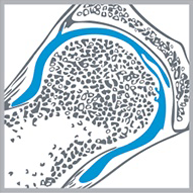
Avascular Necrosis Knee (AVN)
Loss of Blood Supply to the Knee Bone Leading to Joint Pain and Bone Deterioration
Avascular Necrosis (AVN) of the knee, also known as osteonecrosis, occurs when the blood supply to part of the knee bone is interrupted, causing the bone tissue to die. Without proper blood flow, the affected bone weakens and can eventually lead to the collapse of the joint surface if left untreated. AVN can severely impact knee function, causing pain, swelling, and instability.
At Melbourne Orthopaedic Clinic, we provide expert diagnosis and treatment for AVN, utilising advanced techniques to preserve knee function and relieve symptoms.
What Causes Avascular Necrosis of the Knee?
Avascular Necrosis (AVN) occurs when the blood flow to part of the knee joint is interrupted, leading to the death of bone tissue. Several factors can cause or increase the risk of AVN, including:
- Trauma: Severe knee injuries like fractures or dislocations can damage blood vessels, reducing blood supply to the bone.
- Corticosteroid Use: Long-term use of corticosteroids, often prescribed for inflammatory conditions, is a well-known risk factor for AVN, as these drugs can impair blood circulation.
- Excessive Alcohol Consumption: Alcohol can cause fatty deposits to form in blood vessels, restricting blood flow and increasing the risk of AVN.
- Medical Conditions: Diseases such as sickle cell disease, lupus, and diabetes can compromise blood circulation and elevate the risk of AVN.
- Idiopathic AVN: Sometimes, AVN develops without a clear cause, referred to as idiopathic AVN.
Symptoms of Avascular Necrosis in the Knee
In the early stages, AVN may not present any symptoms, but as the condition progresses, the following may occur:
- Knee Pain: Initially mild and occurring during weight-bearing activities, the pain can intensify over time and may become constant, even at rest.
- Swelling: Inflammation and fluid build-up around the knee joint can lead to noticeable swelling.
- Joint Stiffness: Reduced blood flow and bone damage can make it difficult to fully bend or straighten the knee.
- Instability: As the affected bone weakens and deteriorates, the knee may feel unstable or give way during movement.
- Limited Range of Motion: Mobility may become restricted, affecting daily activities and overall quality of life.
If left untreated, AVN can lead to joint surface collapse, causing arthritis and permanent damage to the knee.
How is Avascular Necrosis Diagnosed?
Early and accurate diagnosis is crucial in managing AVN effectively. At Melbourne Orthopaedic Clinic, we begin with a comprehensive evaluation of your symptoms, medical history, and risk factors. During a physical exam, we assess your knee’s range of motion, stability, and areas of tenderness.
Key diagnostic tools include:
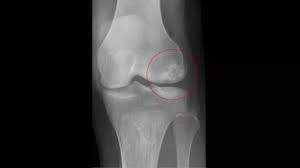
- X-rays: These may appear normal in early stages but can show bone collapse and irregularities as AVN progresses.
- MRI Scans: MRIs provide detailed images of bone and soft tissues, allowing us to detect early bone changes and evaluate the severity of AVN.
- Bone Scans: These may be used to assess blood flow and determine which areas of bone are affected.
Treatment Options for Avascular Necrosis of the Knee
The primary goal of AVN treatment is to prevent further damage to the knee and alleviate symptoms. The approach will depend on the stage of the condition, as well as the patient’s age, activity level, and overall health.
Non-Surgical Treatments
In the early stages of AVN, non-surgical treatments may help slow disease progression and reduce symptoms:
- Rest and Activity Modification: Reducing or avoiding weight-bearing activities can relieve pressure on the affected knee and prevent further damage.
- Physiotherapy: A customised physiotherapy program can strengthen the muscles surrounding the knee, improving joint stability and maintaining flexibility.
- NSAIDs (Non-Steroidal Anti-Inflammatory Drugs): Medications like ibuprofen or naproxen can help reduce pain and inflammation associated with AVN.
- Bisphosphonates: These medications promote bone health and can slow bone loss.
- Bracing: A knee brace may be recommended to support the joint, improving mobility and reducing pain.
Conservative treatments can lead to full recovery if the condition is diagnosed early and the bone fragment remains attached.
Surgical Treatments
If AVN has progressed or non-surgical options are ineffective, surgery may be necessary. At Melbourne Orthopaedic Clinic, we offer several surgical procedures depending on the severity of the condition:
- Core Decompression: In the early stages, this procedure relieves pressure in the bone by removing a small portion to improve blood flow and promote healing.
- Bone Grafting: A bone graft can strengthen the weakened bone, restoring integrity and preventing joint collapse.
- Osteotomy: This realignment procedure shifts weight away from the damaged area, helping to preserve joint function.
- Joint Replacement (Arthroplasty): In severe cases, partial or total knee replacement may be required. Damaged bone and cartilage are replaced with prosthetic components to restore function and relieve pain.
Rehabilitation is an essential part of recovery, and we provide a structured program to help you regain strength, flexibility, and function following surgery.
Preventing Avascular Necrosis of the Knee
While AVN isn’t always preventable, there are steps you can take to reduce the risk and protect your knee health:
- Avoid Excessive Alcohol Consumption: Limiting alcohol intake can prevent fatty deposits from building up in blood vessels, reducing the risk of AVN.
- Use Corticosteroids Cautiously: If prescribed corticosteroids, use them as directed and avoid long-term use when possible.
- Maintain a Healthy Lifestyle: Regular exercise and a balanced diet promote bone health and reduce the likelihood of joint damage.
- Seek Prompt Treatment for Knee Injuries: Early intervention for knee injuries, such as fractures or dislocations, can help prevent complications that may lead to AVN.
At Melbourne Orthopaedic Clinic, we are committed to providing comprehensive care and personalised treatment for AVN, helping our patients maintain knee health and mobility.