
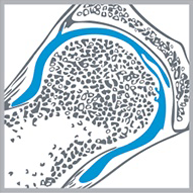
Avascular Necrosis of the Shoulder
A Condition Characterised by Loss of Blood Supply to the Shoulder Joint
Avascular necrosis (AVN) of the shoulder occurs when blood flow to the humeral head is interrupted, leading to bone tissue deterioration and potential joint collapse. This condition can cause pain, stiffness, and limited shoulder movement, often worsening over time without treatment. At Melbourne Orthopaedic Clinic, our expertise lies in diagnosing and treating avascular necrosis to prevent further damage and preserve shoulder function.

Causes of Avascular Necrosis of the Shoulder
Several factors can lead to the development of AVN in the shoulder, including:
- Trauma or Injury: Fractures or dislocations can disrupt blood flow to the shoulder, potentially triggering avascular necrosis.
- Medical Conditions: Conditions like lupus, sickle cell disease, and Gaucher’s disease may increase the risk of AVN by affecting blood vessels.
- Corticosteroid Use: Long-term or high-dose corticosteroid use has been linked to AVN, although the exact reason remains unclear.
- Excessive Alcohol Consumption: Heavy alcohol use can lead to fatty deposits in blood vessels, limiting blood flow and raising AVN risk.
Symptoms of Avascular Necrosis of the Shoulder
AVN symptoms progress as the condition advances, with initial stages often being asymptomatic. Common symptoms include:
- Shoulder Pain: Pain may start as mild discomfort, intensifying over time, particularly with shoulder movements.
- Reduced Range of Motion: Individuals may notice stiffness and restricted shoulder movement.
- Swelling: As AVN progresses, inflammation may cause swelling and tenderness around the shoulder joint.
- Weakness: Muscle weakness or instability in the shoulder can develop, affecting daily activities.
Diagnosis of Avascular Necrosis of the Shoulder
At Melbourne Orthopaedic Clinic, diagnosing AVN involves:
- Physical Examination: A comprehensive evaluation of shoulder movement, pain, and stability.
- Imaging Studies: X-rays, MRI, or CT scans are often used to assess the extent of bone damage and confirm an AVN diagnosis.
Treatment Options for Avascular Necrosis of the Shoulder
Treatment for AVN focuses on preserving shoulder function and preventing further bone collapse. Treatment options include:
Non-Surgical Treatments
- Medications: Pain relievers and anti-inflammatory drugs can alleviate discomfort and control inflammation.
- Physical Therapy: Targeted exercises may help improve shoulder range of motion and strengthen surrounding muscles.
- Activity Modification: Avoiding activities that exacerbate shoulder pain can aid in managing symptoms.
Surgical Treatments
- Core Decompression: This procedure aims to relieve pressure in the bone and stimulate blood flow, promoting healing.
- Shoulder Replacement: For advanced cases where the joint is significantly damaged, partial or total shoulder replacement may be recommended to restore function and alleviate pain.
Our team at Melbourne Orthopaedic Clinic is dedicated to delivering comprehensive, personalised care for avascular necrosis of the shoulder. By using advanced diagnostic tools and tailored treatment options, we aim to relieve pain, restore mobility, and enhance overall shoulder health, enabling you to return to your desired activities.