
Bone Grafting
Enhancing Bone Healing and Structural Support
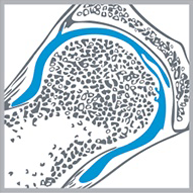
Bone grafting is a surgical technique used to repair and rebuild bone tissue lost due to trauma, infection, disease, or congenital conditions. At Melbourne Orthopaedic Clinic, we perform bone grafting to support bone regeneration, fill gaps in fractured bones, and create a stable foundation for bone healing. This procedure can be crucial for restoring strength, function, and integrity in affected bones, particularly in cases where natural healing may be insufficient on its own.
What is Bone Grafting?
Bone grafting involves transplanting bone tissue from one area (the graft site) to the site of injury or deficiency (the recipient site). This added bone material encourages new growth and forms a stable scaffold for the patient’s bone cells to regenerate. Over time, the grafted material is gradually replaced by the patient’s own bone as it heals.
Bone grafts may come from:
- The Patient’s Own Bone (Autograft): Typically harvested from the hip, leg, or rib, autografts offer the best compatibility as the tissue is from the patient’s own body.
- Donor Bone (Allograft): Sourced from a donor, allografts are carefully sterilised and processed to ensure compatibility and safety.
- Synthetic Grafts: Made from biocompatible materials, synthetic grafts offer an alternative in cases where a natural graft isn’t suitable.
When is Bone Grafting Necessary?
Bone grafting may be recommended in cases such as:
- Fractures with Bone Loss: Severe fractures where sections of bone are missing or where gaps impede natural healing.
- Delayed or Nonunion Fractures: When fractures fail to heal over time due to insufficient bone formation.
- Joint Fusion Procedures: In cases of severe arthritis or instability, bone grafts can help fuse bones to stabilise a joint.
- Bone Defects from Infection or Tumour Removal: Grafts may be used to replace bone lost due to infections, tumours, or other destructive conditions.
The Bone Grafting Procedure
- Anaesthesia and Preparation: Patients receive general or regional anaesthesia to ensure comfort. The surgical area is prepped and sterilised.
- Harvesting the Graft (if Autograft): If an autograft is planned, a small incision is made at the donor site, typically the iliac crest of the pelvis, to access the bone. This bone is carefully removed and shaped as needed.
- Implanting the Graft: At the recipient site, the surgeon cleans and prepares the area. The graft material is then placed into the bone defect, providing a structural framework for new bone growth. If the graft is meant to bridge a fracture, it is placed securely between the bone fragments.
- Securing the Graft: The graft may be held in place with screws, plates, or other fixation devices to ensure stability. This stabilisation is crucial for effective integration and prevents movement that could disrupt healing.
- Closure and Dressing: The incision is closed, and a dressing is applied to protect the area as healing begins.
Post-Operative Care and Recovery
- Initial Healing: For the first few days, rest and limited movement are essential. Pain management, typically with medications and ice, helps control discomfort.
- Gradual Weight-Bearing: Depending on the location and purpose of the graft, patients may need crutches or other support. Weight-bearing is introduced gradually as directed by the surgeon.
- Physical Therapy: Tailored exercises start as healing progresses to restore movement, strengthen muscles, and improve function around the graft site.
- Bone Healing Time: Bone grafts generally require several months to integrate fully. Follow-up appointments and imaging monitor the graft’s progress to ensure proper healing.
Types of Bone Grafts
- Autografts: Bone from the patient’s body offers high compatibility and is ideal for many orthopaedic procedures. Commonly harvested from the pelvic bone, autografts reduce the risk of rejection but require an additional surgical site.
- Allografts: Donor bone is often used for larger structural grafts, such as in spine surgeries or tumour-related reconstructions. Allografts eliminate the need for a secondary surgical site but carry a slight risk of immune reaction.
- Synthetic Bone Substitutes: Made from materials like calcium phosphate, synthetic grafts act as a scaffold that gradually dissolves as new bone forms. These are particularly useful for minor bone defects.
Benefits of Bone Grafting
- Enhanced Bone Regeneration: Grafts support natural bone growth, allowing the body to rebuild tissue that might not heal on its own.
- Structural Stability: Bone grafts reinforce weakened areas, providing a stable framework that facilitates healing.
- Customisable for Different Needs: Bone grafts can be tailored to fit various defects and offer solutions for complex fractures, joint fusions, and bone losses.
Risks and Complications
To reduce risks associated with multi-ligament knee reconstruction, our team at Melbourne Orthopaedic Clinic implements:
- Comprehensive Preoperative Planning: Detailed imaging and planning to ensure the best approach.
- Precision Surgical Techniques: Use of advanced methods to minimise tissue trauma and enhance ligament function.
- Guided Rehabilitation: Tailored physical therapy to aid in restoring stability and preventing stiffness.
With the expert care of our orthopaedic team, patients undergoing multi-ligament knee reconstruction can expect a comprehensive approach focused on returning to a stable, functional, and active lifestyle. Contact us today to schedule your consultation.
Risks and Considerations
While bone grafting is generally safe and highly effective, potential risks include:
- Infection: Especially if an autograft requires harvesting from another body area, careful post-operative care reduces this risk.
- Graft Failure: Sometimes, grafts may not integrate as intended. Close monitoring allows early detection and intervention if necessary.
- Pain at Donor Site: In cases where autografts are used, patients may experience pain or discomfort at the harvest site.
Restoring Stability and Function with Bone Grafting
Bone grafting offers a reliable and flexible solution for bone repair and regeneration, supporting healing in fractures, nonunions, and bone defects. With advanced techniques and a dedicated team, Melbourne Orthopaedic Clinic helps patients regain strength, mobility, and confidence in their recovery journey.