
Foraminotomy
Relieving nerve compression for improved functionality
Foraminotomy is a surgical procedure designed to relieve pressure on spinal nerves by widening the foramina; the passages where spinal nerves exit the vertebrae. This procedure is often performed to alleviate pain, numbness, or weakness caused by nerve compression due to herniated discs, bone spurs, or other degenerative conditions.
What is Foraminotomy?
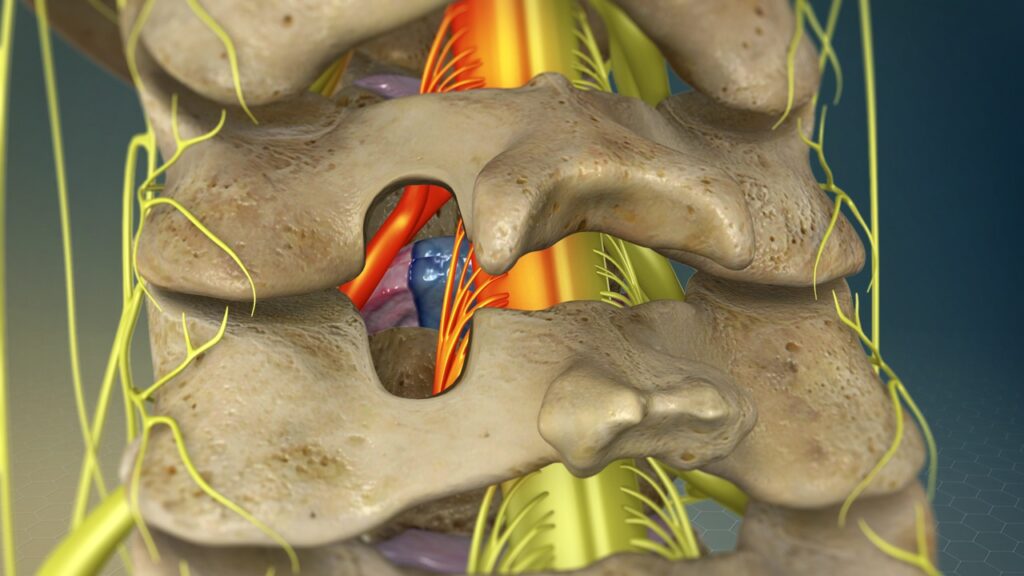
A foraminotomy is a surgical procedure performed to relieve pressure on spinal nerves by enlarging the openings (foramina) through which the nerves exit the spinal canal. These openings can become narrowed due to conditions such as herniated discs, bone spurs, thickened ligaments, or degenerative changes in the spine.
By carefully removing bone or soft tissue that is compressing the nerve root, the procedure aims to reduce pain, numbness, tingling, or weakness that may radiate into the arms or legs. Foraminotomy can be performed in the cervical (neck), thoracic (mid-back), or lumbar (lower back) regions, depending on where nerve compression is occurring.
This procedure may be done using open surgery or minimally invasive techniques, with the goal of relieving symptoms, improving mobility, and enhancing overall quality of life.
Indications for Foraminotomy Treatment
Foraminotomy may be recommended when narrowing of the spinal nerve openings (foraminal stenosis) leads to persistent nerve compression and associated symptoms. This procedure is usually considered if non-surgical treatments such as physiotherapy, medications, or injections have not provided sufficient relief.
Common indications include:
- Foraminal stenosis: Narrowing of the bony canals through which spinal nerves exit, often due to age-related changes.
- Herniated or bulging discs: Disc material pressing on the nerve root as it passes through the foramen.
- Bone spurs (osteophytes): Overgrowth of bone caused by arthritis that can reduce space for the nerve.
- Thickened ligaments: Over time, spinal ligaments may enlarge and contribute to nerve compression.
- Radiculopathy: Pain, tingling, numbness, or weakness radiating into the arms or legs due to compressed spinal nerves.
- Spinal conditions unresponsive to conservative management: When ongoing symptoms limit daily activities despite non-surgical care.
Your surgeon will carefully evaluate your condition with imaging studies and a clinical assessment to determine if foraminotomy is an appropriate treatment option.
The Foraminotomy Procedure
- Anaesthesia: The procedure is performed under general anaesthesia to ensure patient comfort.
- Incision: A small incision is made near the affected vertebrae to access the spinal canal.
- Foramen Access: The surgeon carefully removes bone or tissue obstructing the foramen, allowing more space for the spinal nerve to exit.
- Closure: The incision is closed with sutures or staples, and a dressing is applied.
Recovery After Foraminotomy
Recovery from foraminotomy is usually faster than more extensive spinal procedures, but it still requires careful attention to your surgeon’s advice. Healing times can vary depending on your overall health, the extent of the surgery, and whether other procedures were performed at the same time.
Typical aspects of recovery include:
- Hospital stay: Many patients go home the same day of surgery, while others may stay overnight for monitoring and pain control.
- Pain management: Post-operative discomfort is common and usually managed with oral medications prescribed by your surgeon. Pain often improves steadily as the nerve recovers from compression.
- Wound care: You will receive instructions on how to care for your incision and keep it clean and dry to reduce infection risk.
- Activity restrictions: Heavy lifting, bending, and strenuous activities should be avoided in the early weeks. Gradual return to normal movement will be guided by your surgeon.
- Physiotherapy: A tailored rehabilitation program may be recommended to improve flexibility, restore strength, and support spinal stability.
- Follow-up appointments: Regular reviews with your surgeon ensure your healing is on track and allow any concerns to be addressed early.
Most patients notice an improvement in symptoms such as pain, tingling, or weakness within days to weeks, although full recovery may take several weeks to months.

Long-Term Outcomes
Foraminotomy is generally considered a safe and effective procedure for relieving nerve compression in the spine. Many patients experience long-lasting improvement in symptoms such as pain, numbness, or weakness, which can significantly enhance mobility and quality of life.
In the long term:
- Sustained relief: Most patients maintain relief from nerve-related pain for years after surgery.
- Improved function: Many are able to return to normal daily activities and, in some cases, even resume sports or exercise, depending on their overall spinal health.
- Lower recurrence rates: Although recurrence of nerve compression is possible, foraminotomy has a good success rate in reducing the need for further surgery.
- Spinal health maintenance: Long-term outcomes are often better when patients follow a healthy lifestyle, including regular exercise, physiotherapy-guided strengthening, weight management, and good posture habits.
It is important to remember that while foraminotomy can relieve symptoms caused by nerve compression, it does not stop the natural ageing process of the spine. Ongoing monitoring and healthy lifestyle choices may help maintain the benefits of surgery over time.
Risks and Complications
As with any surgical procedure, foraminotomy carries potential risks. While most patients recover without significant issues, it is important to be aware of possible complications, which may include:
- Infection at the surgical site
- Bleeding or blood clots
- Nerve injury or irritation, which may cause temporary or persistent numbness, weakness, or pain
- Spinal fluid leak, due to accidental tear of the protective membrane around the spinal cord
- Recurrence of symptoms, if nerve compression develops again in the future
- Need for further surgery, if symptoms persist or worsen
At Melbourne Orthopaedic Clinic, your surgeon will discuss these risks with you before surgery and explain the strategies used to minimise them. Our team is committed to ensuring your safety and providing comprehensive care throughout your surgical journey.