
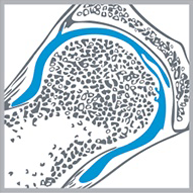
Joint Replacement (Arthroplasty)
Restoring Mobility and Relieving Pain
Joint replacement, or arthroplasty, is a surgical procedure designed to relieve pain and restore function in damaged or arthritic joints. This procedure is commonly performed on the hip, knee, and shoulder joints, providing significant improvement in quality of life for those suffering from severe joint conditions. At Melbourne Orthopaedic Clinic, our skilled team is dedicated to offering advanced techniques and personalised care to help you regain your mobility.

What is Joint Replacement?
Joint replacement involves the surgical removal of a damaged joint and its replacement with a prosthetic joint made of metal, plastic, or ceramic materials. The goal is to alleviate pain, improve function, and enhance the overall quality of life for individuals with joint degeneration or severe arthritis.
Indications for Joint Replacement
Joint replacement is typically recommended for patients experiencing:
- Severe Osteoarthritis: Advanced wear and tear of the joint, leading to persistent pain and reduced mobility.
- Rheumatoid Arthritis: An autoimmune condition that causes inflammation and damage to joint tissues.
- Post-Traumatic Arthritis: Arthritis that develops following an injury or trauma to the joint.
- Failed Conservative Treatments: Patients who have not found relief from non-surgical treatments such as medication, physical therapy, or injections.
The Joint Replacement Procedure
The joint replacement procedure generally follows these steps:
- Anaesthesia: The patient is administered general or regional anaesthesia for comfort during the surgery.
- Incision: A surgical incision is made over the affected joint to access the damaged area.
- Joint Removal: The damaged joint surfaces are carefully removed, including any bone spurs or fragments that may be contributing to pain.
- Prosthesis Insertion: A prosthetic joint is implanted into the joint space, mimicking the natural movement and function of a healthy joint.
- Stabilisation: The new joint is secured in place, often using screws or cement, to ensure stability during the healing process.
- Closure: The incision is closed with sutures or staples, and a dressing is applied.
Recovery After Joint Replacement
Recovery from joint replacement typically involves:
- Hospital Stay: Patients usually stay in the hospital for one to three days for monitoring and pain management.
- Pain Management: Pain relief medications are provided to manage discomfort during the initial recovery phase.
- Rehabilitation: A structured physical therapy program is initiated soon after surgery to regain strength, mobility, and joint function.
- Activity Modifications: Patients are advised to avoid high-impact activities and to gradually increase their activity levels as healing progresses.

Long-Term Outcomes
Many patients report significant pain relief and improved function following joint replacement surgery. The new joint can greatly enhance daily activities, allowing for a more active lifestyle and better overall quality of life.
Risks and Complications
Like any surgical procedure, joint replacement carries potential risks, including:
- Infection at the surgical site
- Blood clots
- Prosthesis dislocation or failure
- Nerve damage or stiffness in the joint
Our experienced team at Melbourne Orthopaedic Clinic will discuss these risks and your individual circumstances thoroughly, ensuring you are well-informed about your treatment options and expected outcomes.
Joint replacement (arthroplasty) is a highly effective surgical option for individuals suffering from debilitating joint pain and dysfunction. With the expertise of our specialists at Melbourne Orthopaedic Clinic, you can expect comprehensive care focused on restoring your mobility and enhancing your quality of life.