
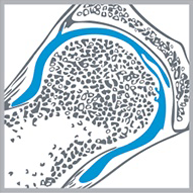
Osteochondritis Dissecans
Cartilage and Bone Damage in the Knee (oss-tee-oh-kon-DRITE-iss DISS-ih-kanz)
Osteochondritis Dissecans (OCD) is a joint condition that occurs when a small segment of bone underneath the cartilage in your knee loses its blood supply. This loss can cause the bone and the overlying cartilage to loosen, leading to pain, swelling, and reduced mobility. Although OCD is most common in children and adolescents who are still growing, it can also affect adults. If untreated, OCD can lead to long-term knee issues, including early-onset osteoarthritis.
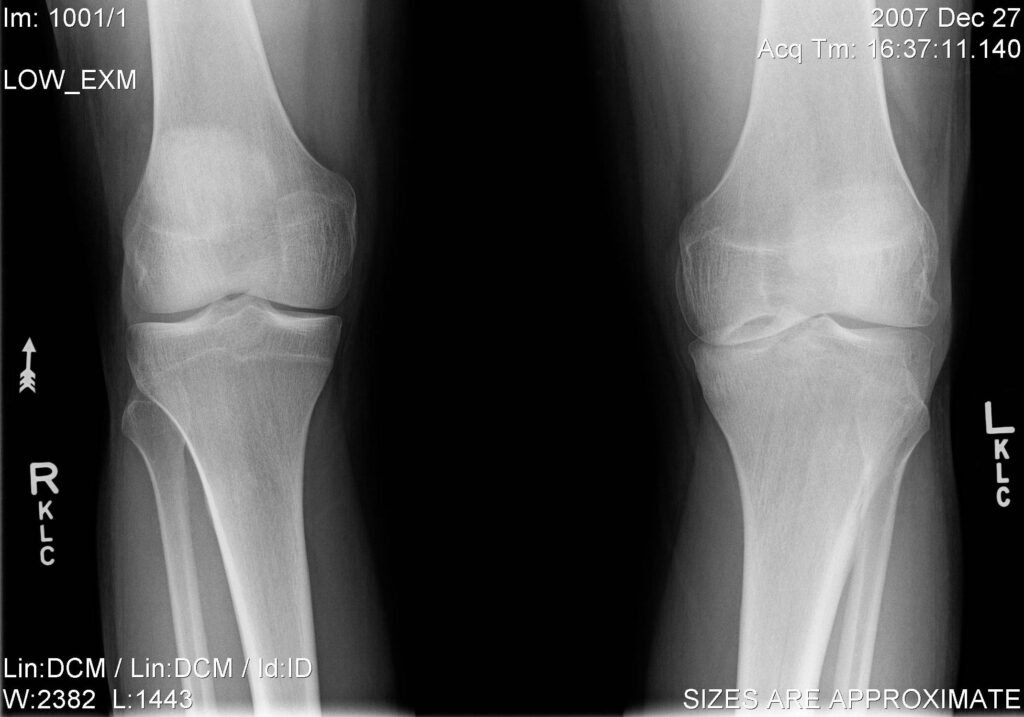
What Causes Osteochondritis Dissecans?
The exact cause of OCD is not fully understood but is believed to result from a combination of factors, including:
- Repetitive Trauma or Stress: High-impact activities or sports, particularly those involving running, jumping, or sudden directional changes, can cause repeated micro-injuries to the bone and cartilage.
- Genetics: Some individuals may have a genetic predisposition to OCD, making them more susceptible to the condition.
- Poor Blood Supply: A compromised blood flow to specific areas of the bone can weaken it, leading to fragmentation and affecting the overlying cartilage.
In adolescents, OCD is often linked to the rapid growth experienced during puberty, while in adults, it typically arises from joint stress due to physical activities or injuries.
Symptoms of Osteochondritis Dissecans
The symptoms of OCD can vary based on the severity and stage of the condition. Commonly reported symptoms include:
- Pain: Discomfort in the knee, particularly after physical activity, which may start as mild but can intensify over time.
- Swelling: The knee may appear swollen and feel stiff, especially following exercise or prolonged standing.
- Locking or Catching: A loose fragment of bone or cartilage can disrupt normal joint movement, causing the knee to lock or catch during movement.
- Decreased Range of Motion: Difficulty in fully straightening or bending the knee due to pain or obstruction from a loose fragment.
- Knee Instability: In some cases, the knee may feel weak or unstable, increasing the risk of it giving way unexpectedly.
If left untreated, these symptoms may worsen, potentially leading to further joint damage and the development of osteoarthritis.
How is Osteochondritis Dissecans Diagnosed?
Accurate diagnosis is crucial for effective management of OCD. Your healthcare provider will begin with a comprehensive evaluation, discussing your symptoms, medical history, and any activities that may have contributed to the condition. During a physical examination, they will assess the stability and range of motion of your knee while checking for tenderness or swelling.
Imaging studies are often necessary to confirm the diagnosis and evaluate the extent of the damage. X-rays can identify any loose fragments or changes in the bone, while MRI scans provide detailed images of the soft tissues, including cartilage and bone, revealing whether a fragment has detached.
Treatment Options for Osteochondritis Dissecans
The treatment for OCD depends on factors such as age, severity of the condition, and the size and stability of the bone fragment. A personalised treatment plan will be recommended based on your specific needs, which may include non-surgical or surgical options.
Non-Surgical Treatments
Non-surgical treatment is generally recommended for younger patients with stable bone fragments. This may include:
- Activity Modification: Reducing or avoiding high-impact activities can facilitate natural healing of the bone and cartilage.
- Rest and Physiotherapy: A tailored rehabilitation program can strengthen the muscles around the knee, enhancing stability and supporting healing.
- Bracing: Wearing a knee brace can protect the joint and minimise the risk of further injury.
- NSAIDs (Non-Steroidal Anti-Inflammatory Drugs): Medications like ibuprofen can help manage pain and inflammation.
In many cases, conservative treatment may lead to full recovery, especially if diagnosed early.
Surgical Treatments
If non-surgical treatments are ineffective or if the bone fragment has detached, surgery may be required to restore normal knee function. Surgical options may include:
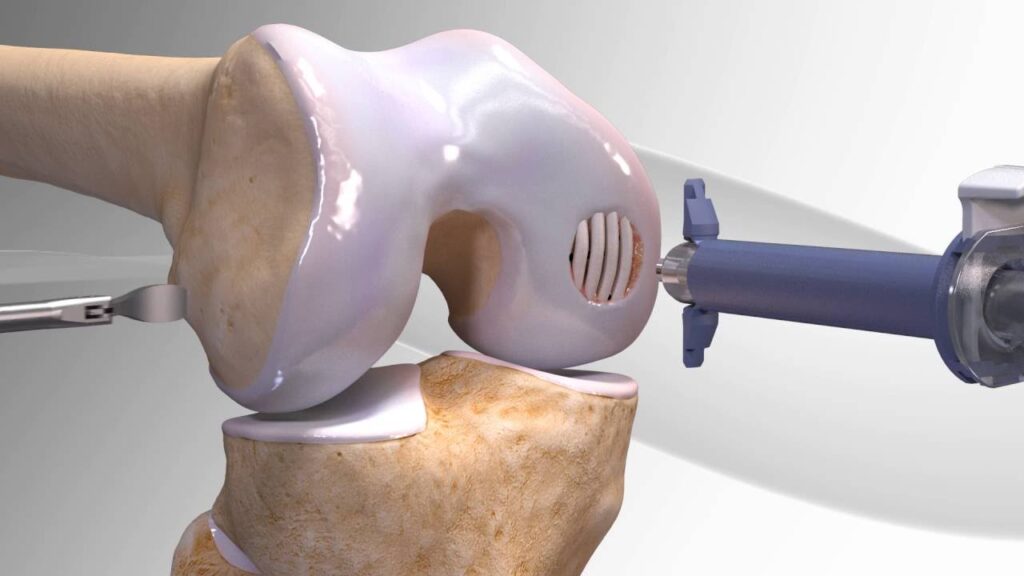
- Drilling: Small holes drilled into the affected bone area promote blood flow and stimulate healing in the damaged cartilage.
- Internal Fixation: In cases where the bone fragment has loosened, screws or pins may be used to reattach it to the underlying bone.
- Debridement and Loose Fragment Removal: If the fragment cannot be repaired, it may be removed, and the area smoothed to alleviate symptoms.
- Cartilage Restoration Techniques: For severely damaged cartilage, procedures like microfracture or cartilage transplantation may be recommended to restore the joint surface and support long-term healing.
Preventing Osteochondritis Dissecans
While completely preventing OCD may not be feasible, there are steps you can take to mitigate your risk:
- Avoid Overuse: Limit repetitive, high-impact activities to reduce knee stress, especially during periods of rapid growth in adolescence.
- Strengthen Your Muscles: A strong core and leg muscles provide better support for your knees, reducing injury risk.
- Use Proper Technique: Employing correct techniques and equipment in sports can help protect your joints from excessive strain.