Rotator Cuff Tears & Inflammation
Damage to the rotator cuff causing shoulder pain, weakness, and limited range of motion
Melbourne Orthopaedic Clinic, specialises in diagnosing and treating rotator cuff tears, a condition that can cause significant pain, weakness, and difficulty with shoulder movements. The rotator cuff is a group of four muscles and tendons that stabilise your shoulder, allowing for a wide range of motion. When one or more of these tendons is torn, it can lead to reduced function and discomfort, often affecting your ability to perform everyday activities such as lifting your arm or reaching overhead. Rotator cuff tears are common as we age, particularly in individuals involved in repetitive overhead activities.
Causes of rotator cuff tears
Rotator cuff tears can occur for several reasons, and understanding these causes can help in both prevention and treatment.
- Degeneration (wear and tear): As we age, the blood supply to the rotator cuff diminishes, making the tendons more prone to wear and tear. Degenerative tears are common in individuals over 40 and often develop gradually. Even simple daily tasks, such as reaching overhead, can contribute to this type of tear.
- Acute Injury: Sudden trauma, such as falling on an outstretched arm or lifting something too heavy, can cause the rotator cuff to tear. Acute injuries typically result in immediate pain and weakness and may require prompt medical attention.
- Repetitive Overuse: Repetitive overhead activities can strain the rotator cuff tendons over time, leading to tears. Athletes, such as swimmers or tennis players, and those with jobs involving overhead work, like painters, are at a higher risk of developing these injuries.
- Bone Spurs: Bone spurs can form on the acromion (the bone above the shoulder joint) as part of the ageing process. These spurs can irritate and eventually tear the rotator cuff tendons, leading to shoulder impingement.
Symptoms of a rotator cuff tear
Rotator cuff tear symptoms can vary, depending on the severity of the tear, but they often develop gradually and may worsen over time.
- Pain: Pain is a primary symptom, often felt in the front or side of the shoulder, and it can worsen with certain movements, such as lifting or lowering the arm. Night-time pain is common, especially when lying on the affected shoulder.
- Weakness: Shoulder weakness, especially when lifting objects or raising the arm above shoulder height, is another common symptom, making it difficult to perform everyday tasks.
- Loss of Motion: Rotator cuff tears can cause stiffness and reduce your shoulder’s range of motion, particularly when trying to reach overhead or behind your back.
- Clicking or Popping: You may hear or feel clicking, popping, or crackling sounds when moving your shoulder, which can indicate that the torn tendon is catching or rubbing against other shoulder structures.
- Chronic Pain: Persistent or recurrent pain, especially with certain activities, can indicate a rotator cuff tear and may interfere with daily life.
Diagnosis of rotator cuff tears
At Melbourne Orthopaedic Clinic, our specialists conduct a thorough evaluation to diagnose rotator cuff tears accurately. This includes:
- Physical Examination: Your shoulder’s range of motion, strength, and any tenderness will be assessed.
- Patient History: We will discuss any prior injuries, surgeries, or activities that could contribute to the symptoms.
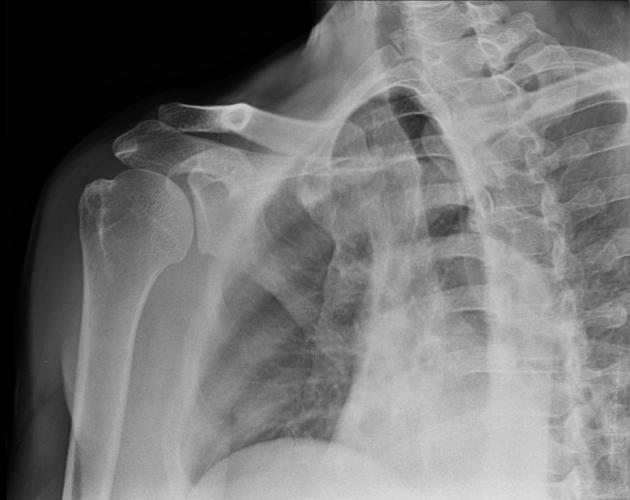
- Imaging: Diagnostic tools like X-rays, ultrasounds, or MRIs may be used to assess the condition of the rotator cuff. While X-rays help rule out bone issues, an MRI provides detailed images of the tendons, revealing the size and extent of the tear.
Rotator cuff tear treatment options
Treatment for rotator cuff tears depends on the severity of the tear and how much it affects your daily life. We offer both non-surgical and surgical options.
Non-Surgical Treatments
- Physiotherapy: A physiotherapy program can help strengthen the muscles surrounding the shoulder and improve flexibility. Targeted exercises focus on the rotator cuff and nearby muscles to restore function.
- Activity Modification: Reducing or avoiding activities that aggravate the shoulder can give the tendons time to heal and prevent further damage.
- Medications: Non-steroidal anti-inflammatory drugs (NSAIDs) like ibuprofen can help manage pain and reduce inflammation.
- Corticosteroid Injections: For cases where pain is severe, corticosteroid injections may offer temporary relief by reducing inflammation.
Surgical Treatments
If non-surgical treatments are insufficient, surgery may be necessary to repair the torn tendons.
- Arthroscopic Repair: This minimally invasive surgery involves making small incisions and using specialised instruments to reattach the torn tendon to the bone. Arthroscopic repair often has shorter recovery times.
- Open Repair: In severe cases, open surgery may be required to fully access and repair the torn tendons, especially if other structures in the shoulder are affected.
- Tendon Transfer: For large or irreparable tears, tendon transfer surgery can replace the damaged tendon with a nearby healthy one, restoring shoulder function.
- Shoulder Replacement: In cases where the tear is combined with arthritis or the tear is irreparable, shoulder replacement surgery may be recommended.
We tailor treatment and rehabilitation plans to each patient’s needs, ensuring the best possible outcome for restoring shoulder function and reducing pain. If you’re experiencing shoulder pain, weakness, or restricted movement, contact us to schedule a consultation with our specialists. Early diagnosis and treatment are key to preventing further complications and achieving a successful recovery.