Snapping Hip Syndrome
A Condition Characterised by a Popping Sensation in the Hip Joint During Movement
Snapping hip syndrome, also known as coxa saltans, is a condition that involves a noticeable snapping or popping sensation in the hip joint during movement. This phenomenon can occur when tendons or muscles in the hip rub over bony prominences, creating a sound or sensation that can sometimes be accompanied by discomfort. While often harmless, snapping hip syndrome can affect individuals of all ages, particularly athletes and active individuals. At Melbourne Orthopaedic Clinic, we focus on diagnosing and managing this condition to restore hip function and alleviate symptoms.
Causes of Snapping Hip Syndrome
Several factors can contribute to snapping hip syndrome, including:
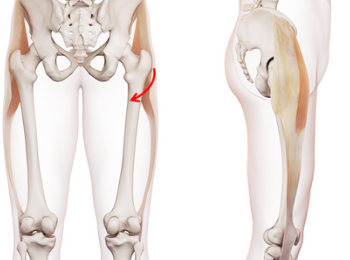
- Iliotibial Band Syndrome: The iliotibial band, a thick band of tissue running along the outside of the thigh, can become tight or inflamed, causing it to snap over the greater trochanter of the femur during hip movement.
- Tendon Laxity: In some individuals, the hip tendons may be excessively loose or flexible, allowing them to move out of their normal position and create a snapping sensation during activities.
- Muscle Imbalance: Weakness or tightness in the muscles surrounding the hip joint can lead to abnormal movement patterns, contributing to the snapping sensation.
- Bony Abnormalities: Structural issues in the hip joint, such as bone spurs or irregularities in the femur or acetabulum, can also cause tendons to catch and snap during movement.
- Overuse Injuries: Repetitive hip movements, particularly in athletes or individuals engaged in high-impact activities, can lead to inflammation and irritation of the hip tendons, resulting in snapping hip syndrome.
Symptoms of Snapping Hip Syndrome
The primary symptom of snapping hip syndrome is the characteristic popping or snapping sensation during hip movement. Other associated symptoms may include:
- Hip Pain: While many individuals experience snapping without pain, some may feel discomfort or pain in the hip or outer thigh, particularly during certain activities.
- Reduced Range of Motion: Individuals may notice a decrease in hip flexibility, especially when performing movements that require deep bending or rotation.
- Swelling: In some cases, inflammation around the hip joint may lead to mild swelling or tenderness in the affected area.
- Sensation of Instability: Some people may describe a feeling of instability in the hip, particularly during activities that require quick changes in direction.
Diagnosis of Snapping Hip Syndrome
At Melbourne Orthopaedic Clinic, diagnosing snapping hip syndrome involves a comprehensive evaluation, including:
- Physical Examination: A thorough assessment of the hip joint is performed, including an evaluation of range of motion, strength, and any audible snapping sounds during movement. Specific tests may be conducted to identify the source of the snapping sensation.
- Imaging Studies: While imaging is often not necessary, X-rays or MRI scans may be used to rule out other underlying conditions or structural abnormalities in the hip joint that could be contributing to symptoms.
Snapping Hip Syndrome Treatment Options
Treatment for snapping hip syndrome typically focuses on alleviating symptoms and improving hip function. At Melbourne Orthopaedic Clinic, we offer a range of treatment options tailored to individual needs.
Non-Surgical Treatments
Many individuals with snapping hip syndrome find relief through non-surgical approaches, including:
- Physiotherapy: A physiotherapist can develop a personalised rehabilitation program that includes strengthening exercises for the hip muscles, flexibility training, and techniques to improve movement patterns and reduce snapping sensations.
- Activity Modification: Avoiding activities that trigger the snapping sensation or cause discomfort can help manage symptoms. Low-impact exercises, such as swimming or cycling, may be recommended as alternatives.
- Medications: Non-steroidal anti-inflammatory drugs (NSAIDs) can be prescribed to reduce pain and inflammation associated with snapping hip syndrome.
- Ice Therapy: Applying ice to the affected area can help alleviate inflammation and discomfort, particularly after activities that exacerbate symptoms.
Surgical Treatments
If non-surgical treatments are ineffective or symptoms significantly impact daily life, surgical intervention may be considered. Surgical options can include:
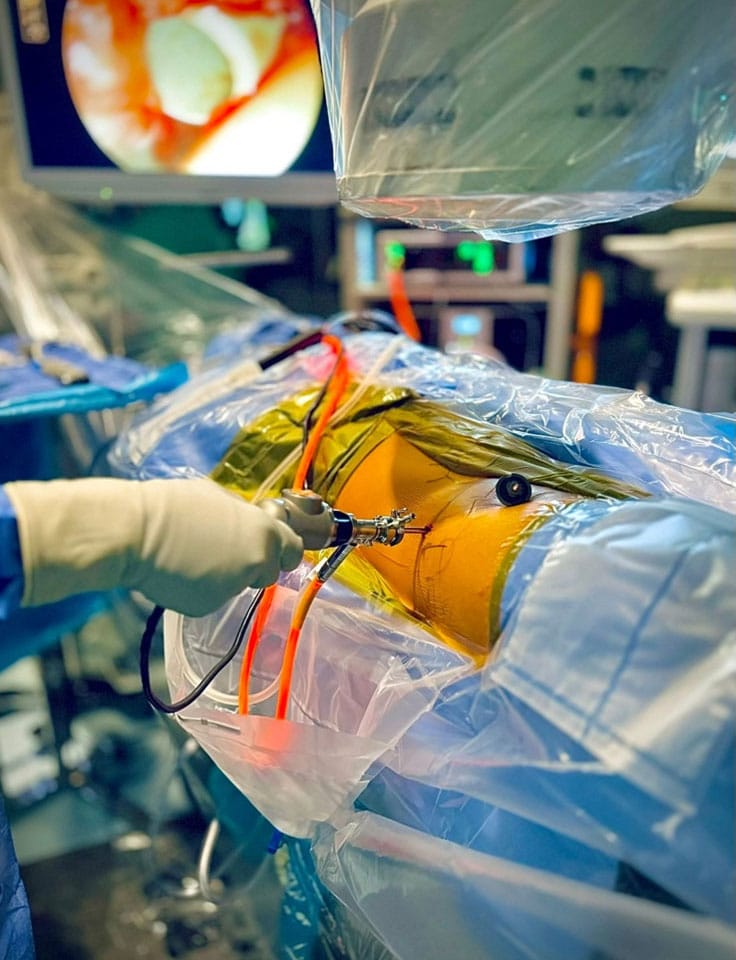
- Arthroscopic Surgery: In cases where tendons are severely inflamed or a bony abnormality is present, minimally invasive arthroscopic surgery may be performed to remove or repair the affected tissue, addressing the underlying cause of the snapping.
- Iliotibial Band Release: For individuals with tight iliotibial bands, a surgical release may be performed to alleviate tension and reduce snapping during hip movement.
At Melbourne Orthopaedic Clinic, our team is dedicated to providing comprehensive care for snapping hip syndrome. We will work closely with you to develop a personalised treatment plan aimed at reducing symptoms, improving hip function, and enhancing your overall quality of life. Whether through physical therapy, lifestyle modifications, or surgical intervention, our goal is to help you return to your desired activities and regain comfort in your hip joint.