

Spinal Fracture Surgery
Restoring stability and function in spinal trauma
Spinal fractures can significantly affect an individual’s mobility and quality of life, often leading to pain, neurological deficits, and impaired functionality. At Melbourne Orthopaedic Clinic, we specialise in diagnosing and treating spinal fractures, employing advanced surgical techniques to restore stability and alleviate pain.
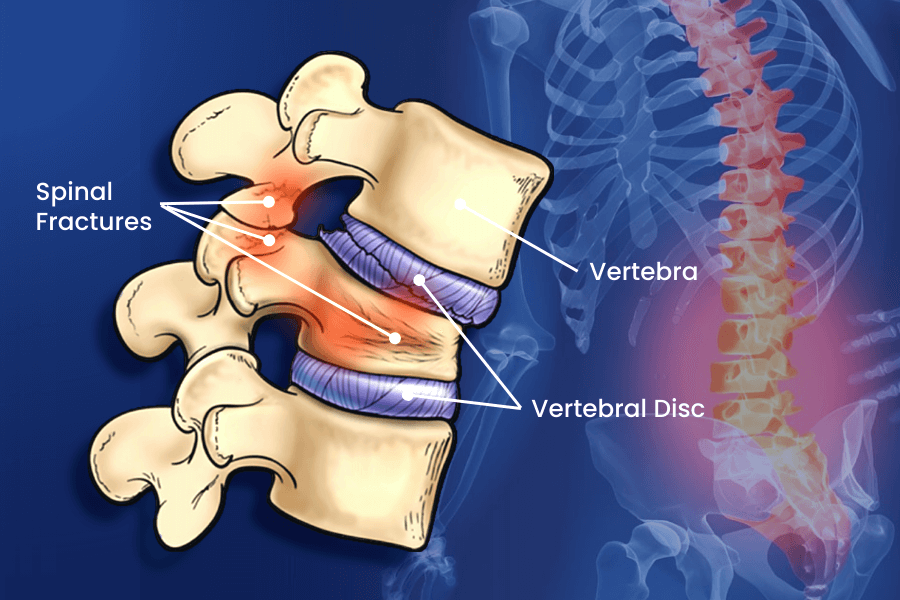
Understanding Spinal Fractures
Spinal fractures can occur due to various traumatic incidents, such as falls, motor vehicle accidents, or sports injuries. They can affect any part of the spine, including the cervical, thoracic, or lumbar regions. Depending on the severity and location, spinal fractures may be classified into:
- Compression Fractures: Resulting from the collapse of a vertebra, often due to osteoporosis or trauma.
- Burst Fractures: A severe type of compression fracture that can lead to bone fragments dispersing into the spinal canal, potentially compressing the spinal cord.
- Flexion-Distraction Fractures: Typically caused by sudden forward bending of the spine, resulting in injury to both the vertebra and surrounding structures.
- Fracture-Dislocations: Involving both a fracture and dislocation of a vertebra, often requiring immediate surgical intervention.
Indications for Surgery
Surgery for spinal fractures may be necessary in cases where:
- Neurological Compromise: If the fracture compresses the spinal cord or nerves, leading to weakness, numbness, or paralysis.
- Instability: Fractures that compromise the stability of the spine may require surgical intervention to prevent further injury or deformity.
- Severe Pain: When conservative treatments fail to alleviate significant pain and discomfort associated with the fracture.
- Deformity: To correct spinal deformities resulting from the fracture.
The Spinal Fracture Surgery Procedure
- Preoperative Evaluation: A comprehensive assessment, including imaging studies such as X-rays, CT scans, or MRIs, is performed to determine the extent of the injury and plan the surgical approach.
- Anaesthesia: The procedure is typically conducted under general anaesthesia to ensure patient comfort and safety.
- Surgical Techniques:
- Decompression Surgery: If the spinal cord is compressed, the surgeon may perform a laminectomy or discectomy to relieve pressure.
- Spinal Stabilisation: This may involve the use of screws, rods, or plates to stabilise the spine and promote healing. Common techniques include:
- Posterior Spinal Fusion: Joining two or more vertebrae together using bone grafts and instrumentation.
- Anterior or Lateral Approaches: Accessing the spine from the front or side for direct repair or fusion.
- Closure and Recovery: After addressing the fracture, the surgical site is closed, and the patient is monitored in a recovery area.
Post-Operative Care and Rehabilitation
- Pain Management: Effective pain relief strategies, including medications and physical therapy, are implemented post-surgery.
- Rehabilitation: A tailored rehabilitation programme is initiated to enhance mobility, strengthen core muscles, and improve overall spinal function. This may involve physical therapy and guided exercises.
- Follow-Up Care: Regular follow-ups are essential to monitor the healing process, assess spinal alignment, and evaluate overall recovery.
Benefits of Spinal Fracture Surgery
- Pain Relief: Many patients experience a significant reduction in pain following surgery, enabling a return to daily activities.
- Restoration of Function: Surgical intervention can restore mobility and stability to the spine, improving overall quality of life.
- Prevention of Further Injury: Stabilising the spine reduces the risk of future complications, such as additional fractures or neurological impairment.
Risks and Considerations
While spinal fracture surgery is generally safe, potential risks may include:
- Infection: Risk of infection at the surgical site, requiring careful monitoring and possible antibiotic treatment.
- Bleeding: Surgical intervention may lead to blood loss requiring transfusions in some cases.
- Nerve Damage: Although rare, there is a risk of further injury to the spinal cord or nerves during surgery.
- Implant Failure: In some cases, the implants used for stabilisation may fail, necessitating revision surgery.
Spinal fracture surgery offers a critical solution for individuals suffering from traumatic spinal injuries. At Melbourne Orthopaedic Clinic, our expert team is committed to delivering high-quality, patient-centred care, ensuring optimal recovery and the best possible outcomes for patients affected by spinal fractures. We strive to help our patients regain their mobility and return to their active lifestyles with renewed confidence and functionality.