
Spinal Osteotomy
Correcting spinal deformities and restoring function through spinal osteotomy
A spinal osteotomy is a specialised surgical procedure used to correct significant spinal deformities by removing a wedge-shaped section of bone from one or more vertebrae. This allows the surgeon to realign the spine, improve posture, and restore balance. Spinal osteotomy is most often considered for conditions such as severe kyphosis, scoliosis, or other deformities that cause pain, difficulty standing upright, or reduced quality of life.
The procedure is generally reserved for cases where non-surgical treatments have not been effective and the degree of deformity is causing functional problems. Spinal osteotomy is a complex operation that requires careful planning and is performed in specialist centres with expertise in advanced spinal surgery.
What is Spinal Osteotomy?
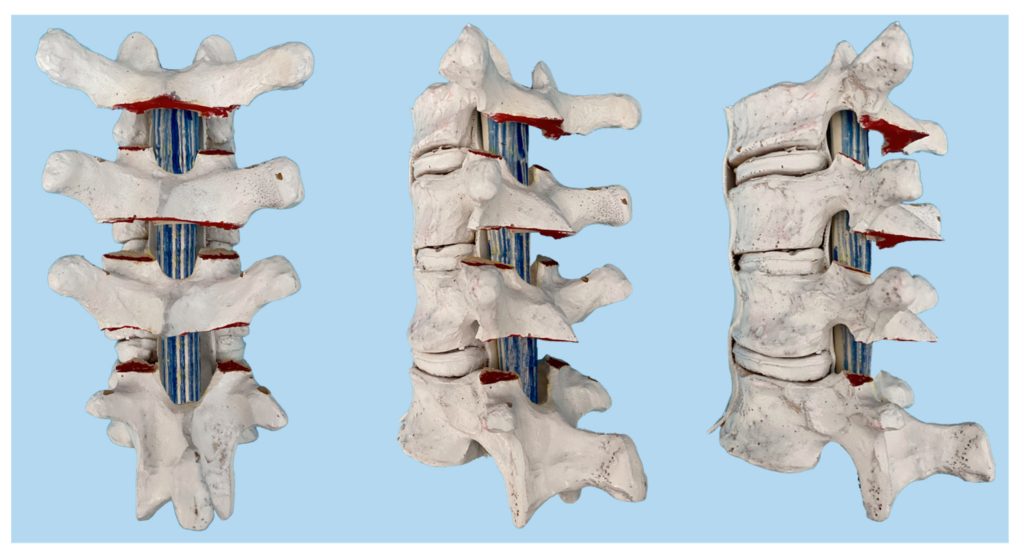
A spinal osteotomy is a surgical technique used to correct abnormal curvatures or deformities of the spine. The procedure involves removing a wedge or section of bone from one or more vertebrae, allowing the surgeon to realign the spine into a more natural position. By adjusting the angle of the spine, the surgery can help restore balance, improve posture, and relieve pain caused by spinal misalignment.
Spinal osteotomy may be performed in different ways depending on the condition being treated and the degree of correction required. It is most commonly used for severe kyphosis (forward curvature), scoliosis (sideways curvature), or other spinal deformities that affect mobility, function, or overall quality of life.
Because this is a complex operation, spinal osteotomy is generally reserved for cases where non-surgical treatments have not been effective and the spinal deformity is significantly impacting daily activities.
Indications for Spinal Osteotomy
Spinal osteotomy may be recommended when severe spinal deformity causes significant symptoms or functional limitations that cannot be managed with non-surgical treatments. Common indications include:
- Severe kyphosis – excessive forward curvature of the spine that affects posture, balance, or breathing.
- Progressive scoliosis – when sideways curvature of the spine continues to worsen despite other management strategies.
- Post-traumatic deformity – spinal misalignment following fractures or injury.
- Degenerative conditions – advanced arthritis or degenerative disc disease leading to fixed deformity and imbalance.
- Flat-back syndrome – loss of the natural curve in the lower spine, often associated with previous spinal surgery, making it difficult to stand upright.
- Significant pain and disability – when spinal deformity causes ongoing pain, difficulty walking, or problems with daily activities.
The decision to proceed with spinal osteotomy is based on the severity of the deformity, the impact on quality of life, and overall health. Because this is a complex procedure, it is usually reserved for patients with major spinal alignment issues where other treatments have not been effective.
The Spinal Osteotomy Procedure
Steps of the Procedure
- Preoperative Evaluation:
- A comprehensive assessment, including physical examination and imaging studies (MRI, X-rays), to determine the specific deformity and surgical approach.
- Anaesthesia:
- The patient is placed under general anaesthesia to ensure comfort and pain relief throughout the procedure.
- Surgical Approach:
- The approach may be anterior (from the front), posterior (from the back), or a combination of both, depending on the specific spinal deformity being addressed.
- Bone Cutting and Repositioning:
- The surgeon performs an osteotomy by cutting the vertebrae and repositioning them to achieve the desired spinal alignment. The types of osteotomies may include:
- Posterior Osteotomy: Often used for conditions like kyphosis, this involves removing a section of the vertebra to create space for realignment.
- Anterior Osteotomy: Used in some scoliosis cases, this involves cutting through the front of the vertebrae to correct curvature.
- Stabilisation:
- After the bones are repositioned, the surgeon may use instrumentation, such as rods and screws, to stabilise the spine and maintain the new alignment during the healing process.
- Closure:
- The incision is closed with sutures or staples, and a sterile dressing is applied.
Recovery from Spinal Osteotomy
Recovery after a spinal osteotomy is a gradual process that requires careful monitoring and rehabilitation. Because this is a complex procedure, the initial hospital stay is often longer than with other types of spinal surgery. Most patients remain in hospital for one to two weeks, where they receive close medical supervision, pain management, and assistance with early mobilisation.
- Hospital care: Patients are usually encouraged to begin gentle movement soon after surgery, often with the support of physiotherapists. Bracing may be recommended in some cases to support the spine while it heals.
- Pain management: Medications are prescribed to control discomfort during the early recovery phase.
- Rehabilitation: A structured physiotherapy program plays an essential role in regaining mobility, building strength, and restoring balance. This continues for several months after discharge.
- Activity restrictions: Bending, twisting, and heavy lifting are generally avoided for several months to allow the spine to heal securely.
- Return to activities: Many people can return to light activities within 8–12 weeks, though full recovery and bone healing may take 6–12 months.
Ongoing follow-up with the surgical team ensures the spine is healing properly and allows any concerns to be addressed early. With time, most patients experience improvements in posture, pain, and overall function.
Benefits of Spinal Osteotomy
Spinal osteotomy can provide meaningful improvements for people living with severe spinal deformity or imbalance. The potential benefits include:
- Improved posture and alignment – correcting abnormal curvature helps restore a more natural spinal position.
- Reduced pain – relieving strain on muscles, joints, and nerves often decreases chronic discomfort.
- Better mobility and balance – improved alignment makes it easier to walk, stand upright, and perform daily activities.
- Enhanced lung function – in cases of severe deformity, realignment of the spine may improve breathing capacity.
- Prevention of progression – surgery can stop spinal deformity from worsening over time.
- Improved quality of life – many patients report greater independence, confidence, and participation in activities following recovery.
While spinal osteotomy is a complex procedure, it is often recommended when the potential benefits outweigh the risks and non-surgical treatments have not provided relief.

Risks and Considerations
As with any major spinal surgery, spinal osteotomy carries certain risks. It is important to understand these before deciding on treatment. Potential risks include:
- Infection at the surgical site.
- Excessive bleeding during or after surgery.
- Nerve injury, which may result in numbness, weakness, or changes in sensation.
- Failure of bone healing (non-union), where the bones do not fuse as expected.
- Implant or hardware problems, such as loosening or breakage of screws or rods.
- Adjacent segment wear, where nearby spinal levels are placed under increased stress.
- Persistent or recurrent pain, even after correction of the deformity.
- General anaesthesia risks, such as reactions or complications.
Because spinal osteotomy is a complex procedure, it is usually reserved for severe cases where the potential benefits outweigh these risks. Your surgeon will discuss the possible complications in detail and outline the measures taken to reduce them, helping you make an informed decision.