
Surgical Treatment for Compartment Syndrome
Effective Management of Compartment Syndrome
Compartment syndrome is a serious condition that occurs when increased pressure within a muscle compartment compromises blood flow and tissue perfusion. It can lead to muscle and nerve damage, resulting in severe complications if not addressed promptly. At Melbourne Orthopaedic Clinic, we specialise in diagnosing and managing compartment syndrome, offering advanced surgical treatments to relieve pressure and restore circulation.
Understanding Compartment Syndrome
Compartment syndrome can arise from various causes, including:
- Trauma: Fractures, soft tissue injuries, or crush injuries that lead to swelling and increased pressure.
- Tight Bandages or Casts: Excessive tightness can restrict blood flow and contribute to increased compartment pressure.
- Vascular Injuries: Damage to blood vessels can result in bleeding and swelling within a compartment.
- Repetitive Exercise: Overuse injuries can lead to swelling and increased pressure in specific muscle compartments.
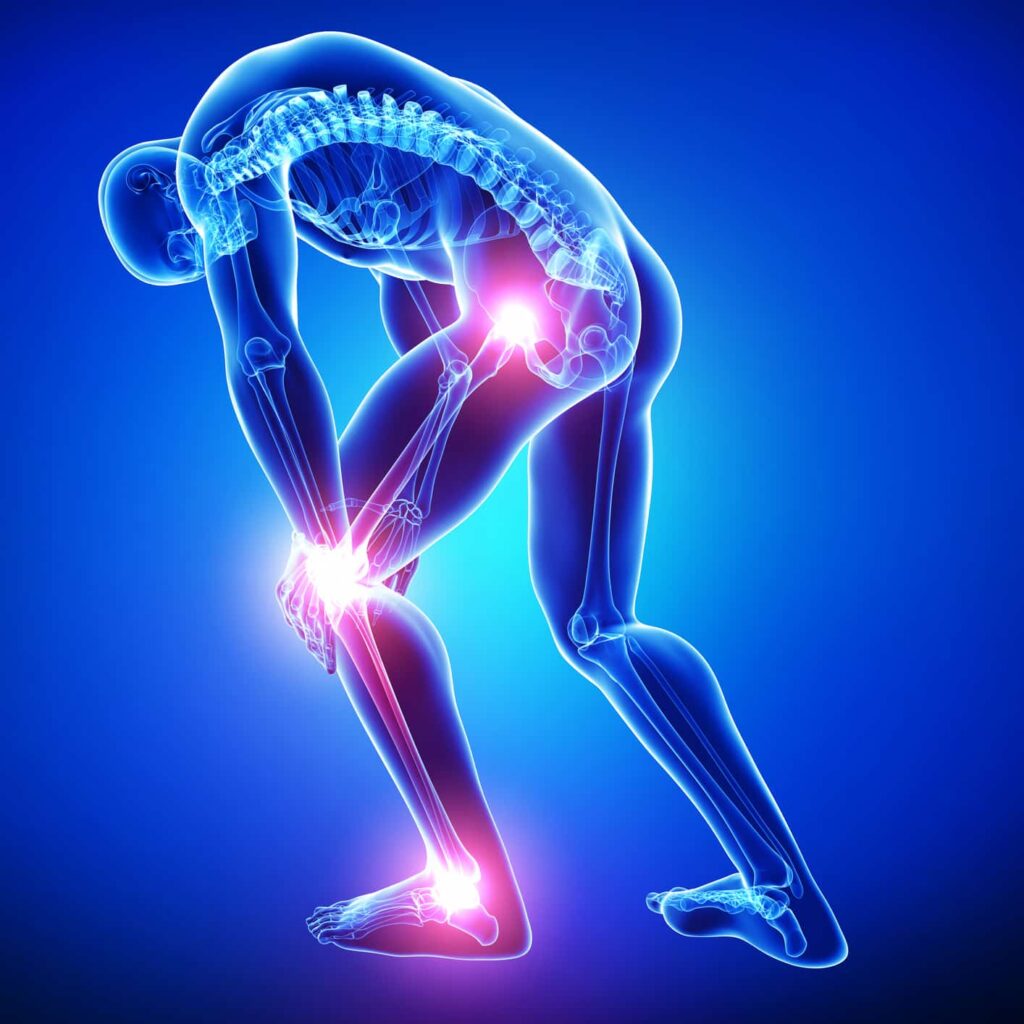
Compartment syndrome typically occurs in the forearm, lower leg, thigh, and foot, characterised by intense pain, swelling, and muscle weakness.
Symptoms of Compartment Syndrome
Patients with compartment syndrome may experience:
- Severe Pain: Pain that is disproportionate to the injury, worsening with stretching of the affected muscles.
- Swelling: Noticeable swelling in the affected area, often accompanied by tightness.
- Numbness or Tingling: Sensory changes may occur due to nerve compression within the compartment.
- Weakness: Difficulty moving the affected limb or muscle groups.
Diagnosis of Compartment Syndrome
Timely diagnosis is crucial for effective treatment. At Melbourne Orthopaedic Clinic, we use:
- Physical Examination: Evaluating symptoms, pain response, and signs of neurological impairment.
- Intracompartmental Pressure Measurement: Measuring compartment pressure using a specialised device to confirm diagnosis.
Surgical Treatment Options for Compartment Syndrome
When conservative management is insufficient or if compartment syndrome is severe, surgical intervention is necessary:
- Fasciotomy
- Procedure: The primary surgical treatment for compartment syndrome involves a fasciotomy, where incisions are made in the fascia to relieve pressure. This allows for expansion of the muscle compartment, restoring blood flow and preventing tissue necrosis.
- Indications: Fasciotomy is indicated when intracompartmental pressures exceed critical levels (typically above 30 mmHg) or when there is evidence of neurological deficits or tissue ischemia.
- Wound Care and Management
- Post-fasciotomy, the incision sites require careful monitoring and management to prevent infection and promote healing.
- Dressing Changes: Regular dressing changes and wound care are essential to maintain hygiene and promote recovery.
- Follow-Up and Rehabilitation
- After surgical intervention, a structured rehabilitation program is critical for restoring function and mobility. Physical therapy may involve strength training, range of motion exercises, and gradual return to activity.
Surgical treatment for compartment syndrome is vital in preventing irreversible damage to muscles and nerves. At Melbourne Orthopaedic Clinic, our dedicated team is committed to delivering high-quality care and personalised treatment plans. We employ the latest surgical techniques and rehabilitation practices to ensure optimal recovery. With our expertise, we aim to support patients in regaining function and quality of life after experiencing compartment syndrome.