
Tendon and Ligament Repair
Restoring Function and Mobility with Expert Care
Tendon and ligament injuries can significantly affect an individual’s mobility and quality of life. At Melbourne Orthopaedic Clinic, we specialise in diagnosing and treating these injuries through advanced surgical techniques aimed at restoring strength and functionality.
Understanding Tendon and Ligament Injuries
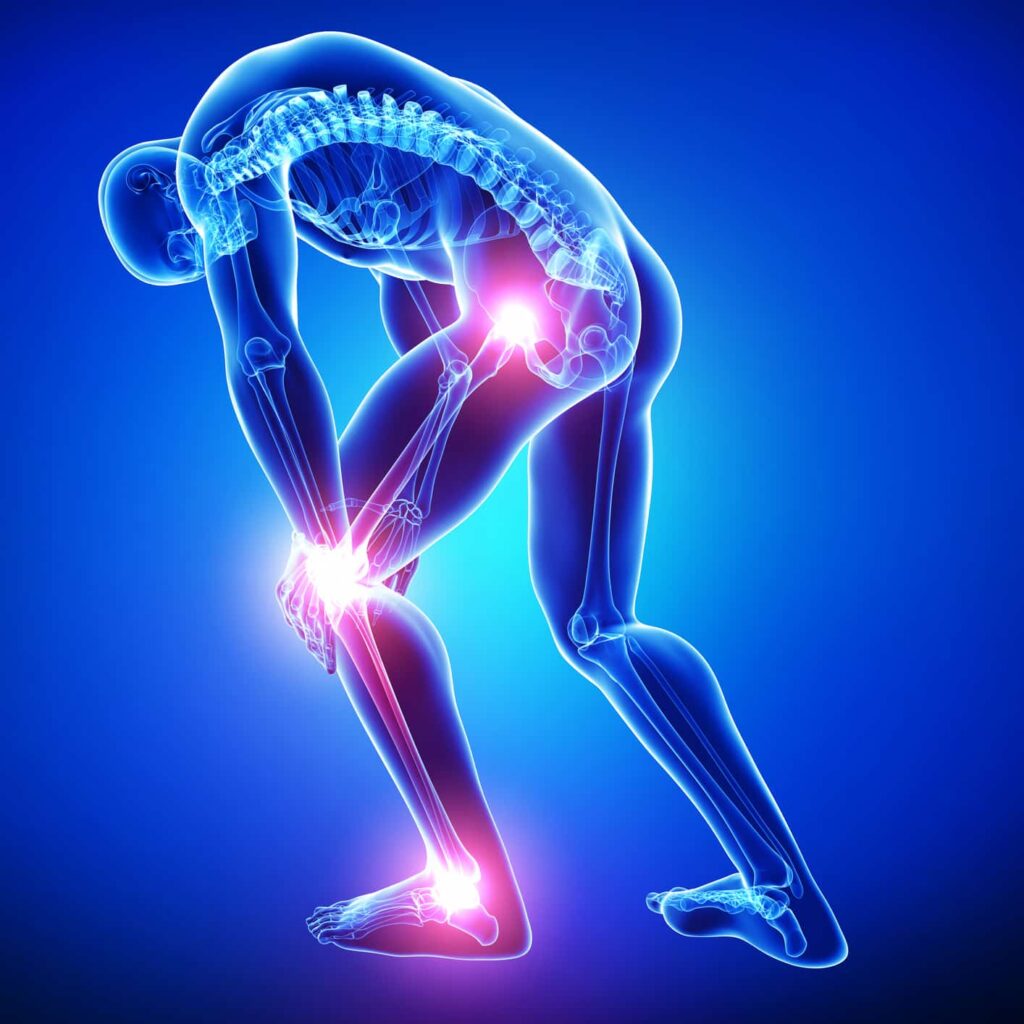
Tendons connect muscles to bones, enabling movement, while ligaments connect bones to other bones, providing joint stability. Injuries to these structures can result from trauma, overuse, or degenerative conditions.
Common Types of Injuries
- Tendon Injuries:
- Tendon Ruptures: Complete tears often occur in the Achilles tendon or the rotator cuff, typically resulting from sudden force or chronic overuse.
- Tendonitis: Inflammation of tendons, often seen in athletes, due to repetitive strain.
- Ligament Injuries:
- Sprains: Partial tears of ligaments, commonly occurring in the knee (e.g., ACL injuries) or ankle.
- Complete Ruptures: Total tears that may require surgical intervention for recovery.
Symptoms of Tendon and Ligament Injuries
Patients with tendon and ligament injuries may experience:
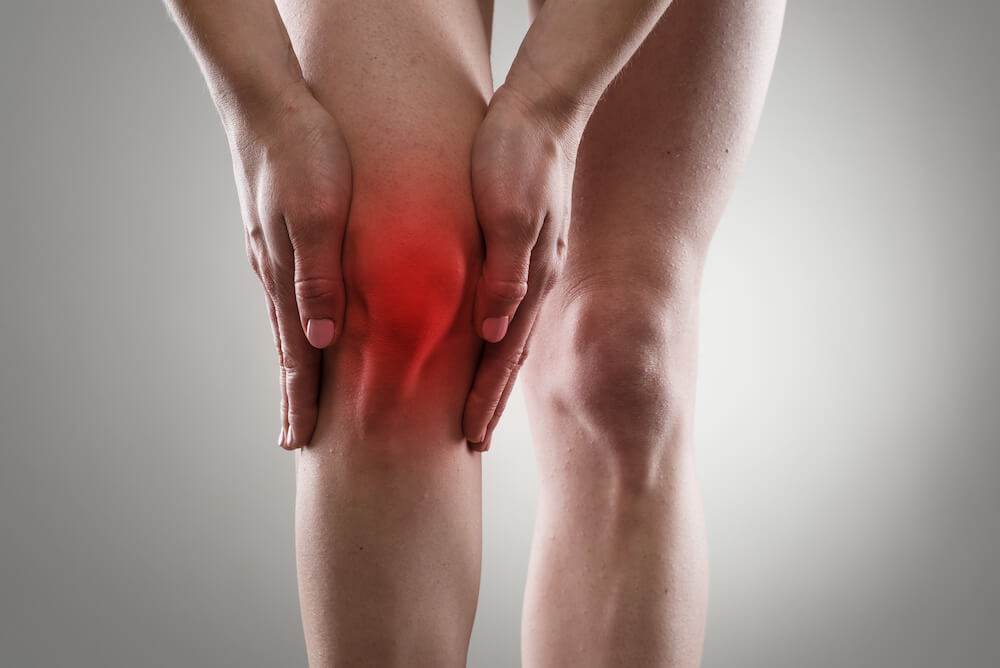
- Pain: Localised pain at the injury site, often worsening with movement.
- Swelling and Bruising: Inflammation around the joint or tendon area.
- Limited Range of Motion: Difficulty moving the affected joint or muscle group.
- Instability: A feeling of looseness or instability in the joint.
Diagnosis of Tendon and Ligament Injuries
At Melbourne Orthopaedic Clinic, we employ a comprehensive approach to diagnosis:
- Physical Examination: Assessing pain response, swelling, and joint stability.
- Imaging: X-rays, MRIs, and ultrasound help evaluate the extent of the injury and guide treatment decisions.
Treatment Options for Tendon and Ligament Injuries
Our treatment strategy focuses on both non-surgical and surgical options, tailored to each patient’s needs.
Non-Surgical Treatments:
- Immobilisation: Braces or splints may be used to restrict movement and promote healing.
- Physical Therapy: Targeted rehabilitation exercises to strengthen muscles and restore function.
- Pain Management: Medications, ice therapy, and anti-inflammatory treatments to alleviate pain and swelling.
Surgical Treatments:
- Tendon Repair: Severely torn tendons may require surgical reattachment using sutures or anchors to restore function.
- Ligament Reconstruction: For complete ligament tears, reconstruction techniques involve using grafts from other tendons or ligaments to create a stable joint.
- Tendon Grafting: In cases where a tendon has been severely damaged, grafting from other parts of the body may be necessary.
Postoperative Care and Rehabilitation
Post-surgery, a structured rehabilitation program is critical to recovery:
- Initial Recovery: Focus on pain management and gentle movement to promote healing.
- Rehabilitation Exercises: A tailored exercise program to restore strength, flexibility, and function.
- Prosthetic Support (if needed): In certain cases, temporary supports may be required to facilitate recovery.
Tendon and ligament repair surgery is a vital intervention for restoring mobility and functionality following injuries. At Melbourne Orthopaedic Clinic, we are committed to providing comprehensive care, from diagnosis through rehabilitation, ensuring patients receive the support they need to return to their active lives with confidence and renewed strength. Our experienced team employs advanced techniques to achieve the best possible outcomes, prioritising patient-centred care at every stage of the recovery process.