

Vertebroplasty and Kyphoplasty
Minimally invasive procedures for spinal fractures
Vertebroplasty and kyphoplasty are minimally invasive procedures used to manage painful vertebral compression fractures, which may result from conditions such as osteoporosis, trauma, or cancer. These techniques aim to stabilise the affected vertebra, reduce pain, and in the case of kyphoplasty, help restore some of the lost vertebral height.
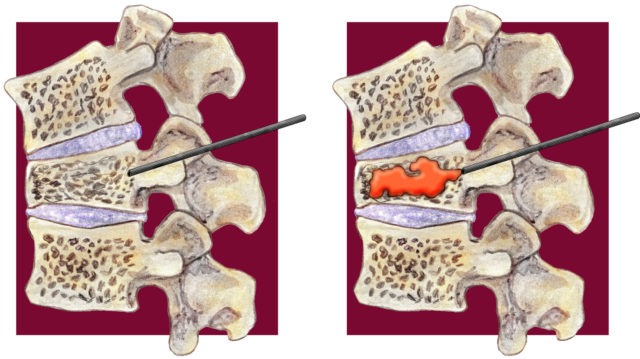
What Are Vertebroplasty and Kyphoplasty?
Vertebroplasty and kyphoplasty are procedures used to treat vertebral compression fractures in the spine. These fractures occur when one or more vertebrae collapse or crack, often due to osteoporosis, trauma, or cancer-related weakness in the bone.
- Vertebroplasty involves injecting medical-grade bone cement into the fractured vertebra. The cement hardens quickly, helping to stabilise the bone and relieve pain.
- Kyphoplasty is similar but includes an additional step. A small balloon is inserted into the collapsed vertebra and gently inflated to restore some of the lost height. The balloon is then removed, and the space created is filled with bone cement to stabilise the vertebra.
Both procedures are typically performed under image guidance to ensure accuracy and may provide significant relief from pain, allowing patients to move more comfortably.
Indications for Vertebroplasty and Kyphoplasty Treatment
Vertebroplasty and kyphoplasty may be considered when a vertebral compression fracture causes significant pain or affects mobility, and when non-surgical treatments have not provided sufficient relief. These procedures are most often recommended in the following situations:
- Painful vertebral compression fractures that do not improve with rest, bracing, medications, or physiotherapy.
- Fractures caused by osteoporosis, where weakened bone has collapsed, leading to pain and loss of spinal height.
- Fractures due to trauma, such as falls or accidents, resulting in spinal instability or persistent discomfort.
- Fractures associated with tumours or cancer, where the bone is weakened and at risk of further collapse.
- Progressive spinal deformity, such as increasing kyphosis (forward curvature), which may result from multiple untreated fractures.
At Melbourne Orthopaedic Clinic, treatment recommendations are based on a thorough clinical assessment, imaging results, and your overall health. The goal is to reduce pain, stabilise the spine, and support a safe return to daily activity.
The Vertebroplasty and Kyphoplasty Procedure
- Anaesthesia: The patient is placed under local anaesthesia or sedation for comfort during the procedure.
- Imaging Guidance: The surgeon uses fluoroscopy (real-time X-ray) to guide the procedure accurately.
- Accessing the Vertebra: A small incision is made in the skin, and a needle is carefully inserted into the fractured vertebra.
- Injection of Cement:
- For Vertebroplasty: The bone cement is injected directly into the fractured vertebra to stabilise it.
- For Kyphoplasty: A balloon is inserted and inflated to restore the vertebra’s height before injecting the cement.
- Closure: The incision is closed with a small bandage, and no stitches are typically required.
Recovery After Vertebroplasty and Kyphoplasty
Recovery from vertebroplasty or kyphoplasty is often quicker than with more extensive spinal surgery, as these are minimally invasive procedures. Most patients notice some degree of pain relief soon after the procedure, although recovery experiences can vary.
Typical aspects of recovery include:
- Hospital stay: Many patients are discharged the same day, while some may stay overnight for observation.
- Pain management: Mild post-procedural discomfort at the incision site can be managed with prescribed medications.
- Activity: Gentle movement is usually encouraged soon after surgery. However, heavy lifting and strenuous activities should be avoided for several weeks.
- Physiotherapy: In some cases, a tailored physiotherapy program may be recommended to strengthen spinal support muscles, improve posture, and reduce the risk of further fractures.
- Return to normal activities: Many people are able to return to everyday tasks within a few days, with gradual increases in activity as advised by their surgeon.
Your surgeon will provide individualised post-procedure instructions to support your recovery and ongoing spinal health.

Long-term Outcomes
The long-term outcomes of vertebroplasty and kyphoplasty are generally positive, particularly in reducing pain and improving quality of life for patients with vertebral compression fractures. Many patients experience sustained pain relief and an improvement in mobility following the procedure. While these treatments can stabilise the fractured vertebra and, in the case of kyphoplasty, help restore spinal alignment, they do not prevent new fractures from occurring in other parts of the spine. Ongoing management of underlying conditions such as osteoporosis is therefore an important part of long-term care.
With appropriate follow-up, rehabilitation, and lifestyle adjustments to support bone health, vertebroplasty and kyphoplasty may contribute to improved function, reduced dependence on pain medication, and a return to daily activities.
Risks and Complications
As with any medical procedure, vertebroplasty and kyphoplasty carry potential risks. These may include:
- Infection at the site of the procedure
- Bleeding or haematoma formation
- Allergic reaction to anaesthesia or contrast agents
- Leakage of bone cement, which in rare cases can cause nerve irritation or damage
- Nerve or spinal cord injury, potentially leading to numbness, tingling, or weakness
- New fractures in adjacent vertebrae due to changes in spinal biomechanics
Your surgeon will discuss these risks with you before the procedure and outline the steps taken to minimise complications. Careful patient selection, advanced imaging guidance, and post-operative follow-up all contribute to safer outcomes.